Understanding What a Demolition Contractor Actually Does
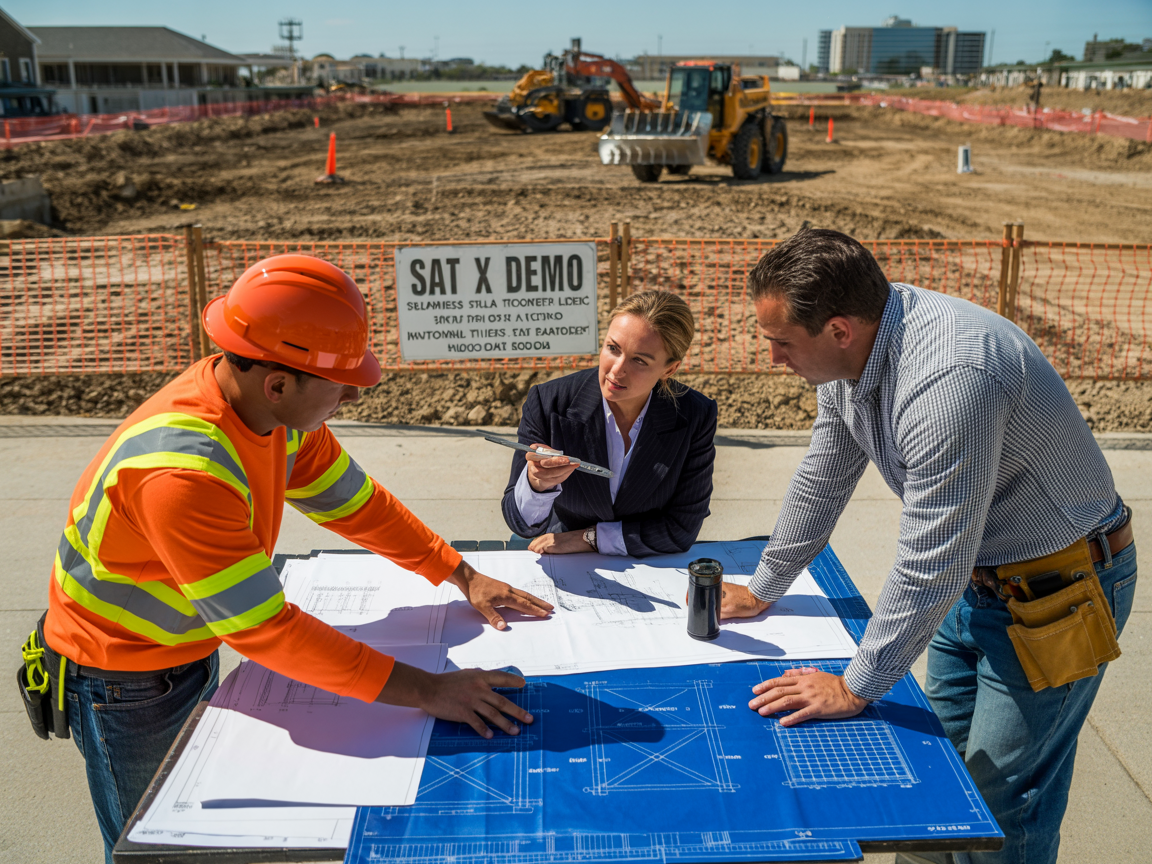
The work begins long before any equipment shows up at your property. A qualified demolition contractor starts by walking your site, evaluating the structure that needs removal, identifying potential complications, and developing a detailed plan for how the work will proceed. They’re looking at access points to determine what equipment can reach the property. They’re assessing the building’s construction type to understand how it will come apart safely. They’re noting proximity to neighboring structures, overhead power lines, underground utilities, and anything else that might affect how the demolition happens.
This assessment phase separates contractors who understand their craft from those who show up and start swinging. An experienced contractor working in San Antonio neighborhoods knows that a 1950s ranch house in Terrell Hills comes down differently than a 1980s two story in Stone Oak. They recognize foundation types that were common in different eras of local construction. They understand that older properties near downtown might have utility configurations that don’t match current standards. All of this knowledge informs the demolition plan that guides every subsequent decision on your project.
Once the contractor understands your property and what needs removal, they handle the administrative work that keeps your project legal and compliant. This means pulling permits through the city’s Development Services Department, which requires submitting documentation about the structure, proof that utilities will be properly disconnected, and confirmation that environmental assessments have been completed when required. Many property owners don’t realize that demolition work without proper permits exposes them to fines and complications when they try to move forward with new construction. A legitimate contractor treats permit acquisition as a fundamental responsibility, not an optional step you might skip to save money or time.
Environmental compliance represents another area where contractors earn their value. Texas regulations require asbestos inspection for structures built before certain dates, and San Antonio has plenty of older properties that fall into this category. The contractor either coordinates this inspection with certified professionals or handles it directly if they carry the appropriate licensing. When asbestos containing materials are identified, the contractor manages the abatement process before demolition begins, ensuring that hazardous materials get removed properly rather than released into the air during demolition. This isn’t just about following rules. It’s about protecting workers, neighbors, and the property owner from health risks and legal liability.
Utility coordination is another critical function that contractors manage throughout the demolition process. They contact CPS Energy to schedule electrical disconnection, coordinate with SAWS for water and sewer service termination, and ensure natural gas lines are properly capped. These aren’t phone calls you make the morning demolition starts. They require advance scheduling, coordination with utility company timelines, and verification that disconnections happened completely and correctly. A contractor who treats utility coordination casually creates dangerous situations where live electrical service or active gas lines remain connected to structures being demolished.