
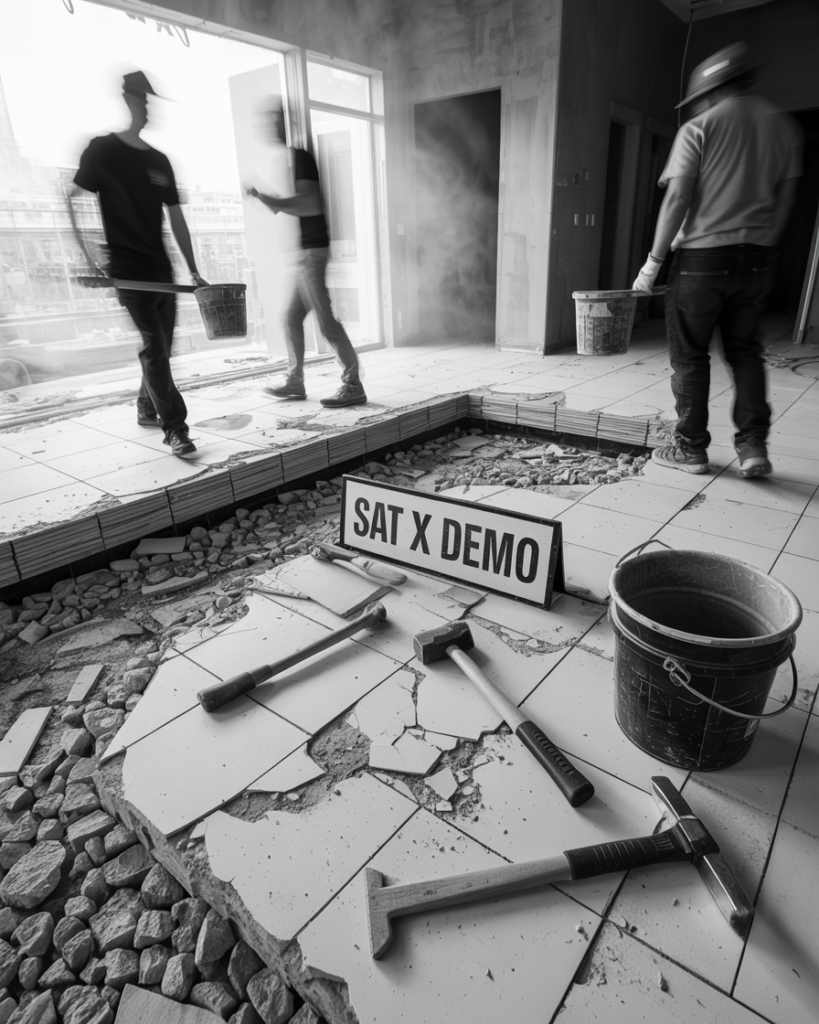
Replacing flooring in your home, business, or commercial property starts with removing what’s already there, and that process involves more complexity than most property owners anticipate. Floor demolition requires understanding what lies beneath the visible surface, how different flooring materials attach to substrates, what condition the underlying concrete or subfloor is in, and how to remove everything safely without damaging structural elements you need to preserve. Whether you’re preparing a retail space for new finishes, renovating a San Antonio home with outdated flooring, or converting an industrial warehouse for different use, professional floor removal sets the foundation for successful installation of your new flooring system.
For a Faster Response, Call Us Direct
Speak directly with our demolition experts and get immediate answers to your questions. We're here to help!
210-702-2201
Understanding What Floor Demolition Actually Involves
Floor demolition means systematically removing existing flooring materials, adhesives, underlayment, and sometimes the concrete slab itself to prepare your property for new flooring installation. The work varies dramatically based on what flooring exists, how it was installed, and what condition the substrate underneath has reached after years of use. Tile floors require breaking through grout and mortar beds that bond tiles to concrete or cement board below. Hardwood flooring nailed to wood subfloors must be pried up carefully to avoid damaging joists if the subfloor will remain. Carpet removal seems straightforward until you encounter adhesive that’s bonded padding directly to concrete over decades. Each flooring type presents specific challenges that affect how removal proceeds and what timeline you should expect.
The substrate condition underneath existing flooring determines how extensive your floor demolition project becomes. Sometimes the concrete slab or wood subfloor underneath is in excellent condition and simply needs cleaning after old flooring comes up. Other times, you discover cracks, moisture damage, or deterioration that requires repair or complete replacement before new flooring can be installed. Properties in San Antonio face particular substrate challenges because our expansive clay soils create movement that cracks concrete slabs over time. Older homes and commercial buildings throughout the area often reveal foundation issues once flooring is removed, issues that weren’t visible when floors were covered but that must be addressed before spending money on new finishes.
Adhesive removal often takes longer than removing the flooring material itself. Older installations used mastics and adhesives that create incredibly strong bonds to concrete. These adhesives don’t simply scrape off with hand tools. They require mechanical removal using specialized equipment that grinds away adhesive residue to expose clean concrete suitable for new flooring installation. Some adhesives contain asbestos, particularly in commercial buildings and homes built before the 1980s. When testing identifies asbestos in flooring adhesives, licensed abatement contractors must remove those materials before floor demolition continues. This asbestos abatement adds time and cost but protects everyone involved from serious health risks.
Concrete Floor Demolition and Slab Removal
Removing concrete slabs represents the most intensive type of floor demolition, requiring heavy equipment and skilled operators who understand how to break up concrete efficiently without damaging building elements that must remain intact. Garage floor demolition often involves removing entire slabs that have cracked severely from soil movement or that sit at incorrect elevations for drainage. Warehouse floor demolition might target sections of concrete that have deteriorated from decades of heavy equipment traffic or chemical exposure. Residential projects sometimes require slab removal when foundation issues make repair impractical compared to starting fresh with properly engineered foundations and new concrete.
The process begins with cutting control joints or saw cutting the concrete to create manageable sections that can be broken up and removed without excessive vibration affecting surrounding structure. Contractors use jackhammers, hydraulic breakers mounted on excavators, or specialized concrete demolition equipment depending on slab thickness and project access. Residential slabs typically run four to six inches thick, which crews can break through relatively quickly. Commercial and industrial slabs often reach eight inches or more with heavy rebar reinforcement throughout, requiring more powerful equipment and significantly more time to demolish completely.
Removing broken concrete from the property adds substantial cost to slab demolition projects because concrete is heavy and disposal facilities charge by weight. A typical single car garage slab generates five to eight tons of concrete debris. Larger commercial floor removal projects can produce hundreds of tons requiring numerous truck loads to haul away. Some contractors offer concrete recycling where demolished material gets crushed and used as base for new slabs or other applications, reducing disposal costs while supporting sustainable building practices.
The subgrade preparation after slab removal determines how well new concrete will perform. Contractors grade and compact the soil beneath where the old slab existed, often bringing in select fill material to create stable support for new concrete. In San Antonio, this subgrade work must account for our expansive soils that swell and shrink with moisture changes. Proper moisture barriers and base preparation help new slabs resist the cracking that affects so many concrete floors in our area over time.
Tile Floor Removal and Ceramic Demolition
Tile flooring removal requires breaking through the tile itself, the mortar bed bonding tiles to the substrate, and often cement board or other underlayment materials that were installed to create proper tile backing. The difficulty and cost of tile demolition varies based on installation quality and age. Well installed tile with proper mortar beds adheres tenaciously to concrete and resists removal, requiring significant effort to break free. Poorly installed tile might pop up relatively easily but leaves extensive mortar and thinset residue requiring removal before the substrate is ready for new flooring.
Commercial tile installations in San Antonio restaurants, retail spaces, and office buildings often involve thick mud beds creating level surfaces over uneven structural slabs. Removing these mud bed installations means demolishing several inches of concrete-like material across entire floor areas. The process generates substantial dust and debris, requires dust containment systems protecting adjacent areas, and produces heavy material that’s expensive to dispose of properly. Property owners planning commercial floor demolition should understand that tile removal in spaces with mud bed installations costs significantly more than removing tile installed with modern thinset methods.
Tile removal equipment includes everything from hand chisels for small areas to power scrapers and ride-on tile removal machines for large commercial spaces. The right equipment for your project depends on square footage, tile type, and how the installation was originally done. Contractors experienced with floor demolition assess these factors during initial property visits and bring appropriate tools rather than discovering midproject that their equipment isn’t adequate for the installation they’re removing.
The concrete surface underneath tile often needs grinding or scarifying after tile removal to eliminate mortar residue and create proper surface profile for new flooring installation. This surface preparation step is essential but frequently overlooked by property owners budgeting tile removal projects. Skipping proper surface prep prevents new flooring from adhering correctly and leads to premature failure that requires redoing work you thought was complete.
Hardwood and Engineered Wood Floor Removal
Understanding Installation Methods
Hardwood floor removal in San Antonio homes requires understanding how the flooring was installed and what subfloor exists underneath. Solid hardwood nailed to wood subfloors must be pried up carefully, pulling nails as you go to avoid leaving fasteners that interfere with new flooring installation. This process takes time because rushing damages the wood subfloor that typically remains in place for new flooring. Engineered wood flooring installed as floating floors over underlayment comes up more easily but still requires removing all transition pieces, baseboards, and underlayment materials.
Multiple Flooring Layers in Historic Homes
Older homes throughout established San Antonio neighborhoods like Alamo Heights, Terrell Hills, and Monte Vista often have multiple layers of flooring installed over decades. You might find hardwood covered by vinyl tile, covered by carpet, with each layer representing a different era of home updates. Removing these multiple flooring layers reveals what the original floor structure was and whether underlying wood has moisture damage, insect issues, or deterioration requiring repair before new flooring installation proceeds.
Glued Hardwood on Concrete Slabs
Hardwood flooring glued directly to concrete slabs presents the most challenging residential floor removal scenario. The adhesive bonding wood to concrete creates incredibly strong connections that don't release easily. Mechanical removal equipment scrapes and grinds away both the wood flooring and adhesive residue, but the process is slow and generates substantial dust requiring containment. Some adhesives used in older installations contain asbestos, making testing mandatory before removal begins.
Professional Floor Removal Expertise
Whether your San Antonio home has nailed hardwood, floating engineered floors, or glued installations, we bring the right equipment and expertise to remove flooring efficiently while protecting subfloors for new installations. Our experience with historic homes means we understand the challenges of multiple flooring layers and know how to handle them properly. We also coordinate asbestos testing when dealing with older adhesives, ensuring all work meets safety standards and regulatory requirements.
Vinyl, Linoleum, and Sheet Flooring Removal
Modern vs. Older Vinyl Installations
Vinyl floor removal ranges from simple to extremely difficult depending on installation age and method. Modern luxury vinyl plank flooring installed as floating floors comes up quickly once baseboards are removed and planks are unlocked from each other. Older sheet vinyl or linoleum glued to concrete or underlayment presents much greater challenges because the adhesive bonds strengthen over decades. Trying to simply peel up old sheet vinyl typically results in the wear layer separating from the backing, which then remains stuck to the substrate and must be scraped or ground away.
Multiple Layered Vinyl Floors
Commercial properties with vinyl composition tile or sheet vinyl in retail spaces, offices, or medical facilities often discover during floor removal that multiple layers of flooring exist, each glued over previous installations. Removing these layered vinyl floors to reach the original substrate can take significantly longer than property owners anticipate based on what they see on the surface. Each layer requires breaking the adhesive bond, scraping away material, and addressing the adhesive left behind before reaching the next layer down.
Asbestos Safety Concerns
Asbestos concerns with vinyl flooring affect many older San Antonio properties because vinyl products manufactured before the mid-1980s often contained asbestos fibers. The backing on sheet vinyl, the tiles themselves in vinyl composition tile, and the mastics used to adhere these products commonly included asbestos. Testing before removal protects everyone involved and ensures compliance with regulations requiring proper handling of asbestos materials.
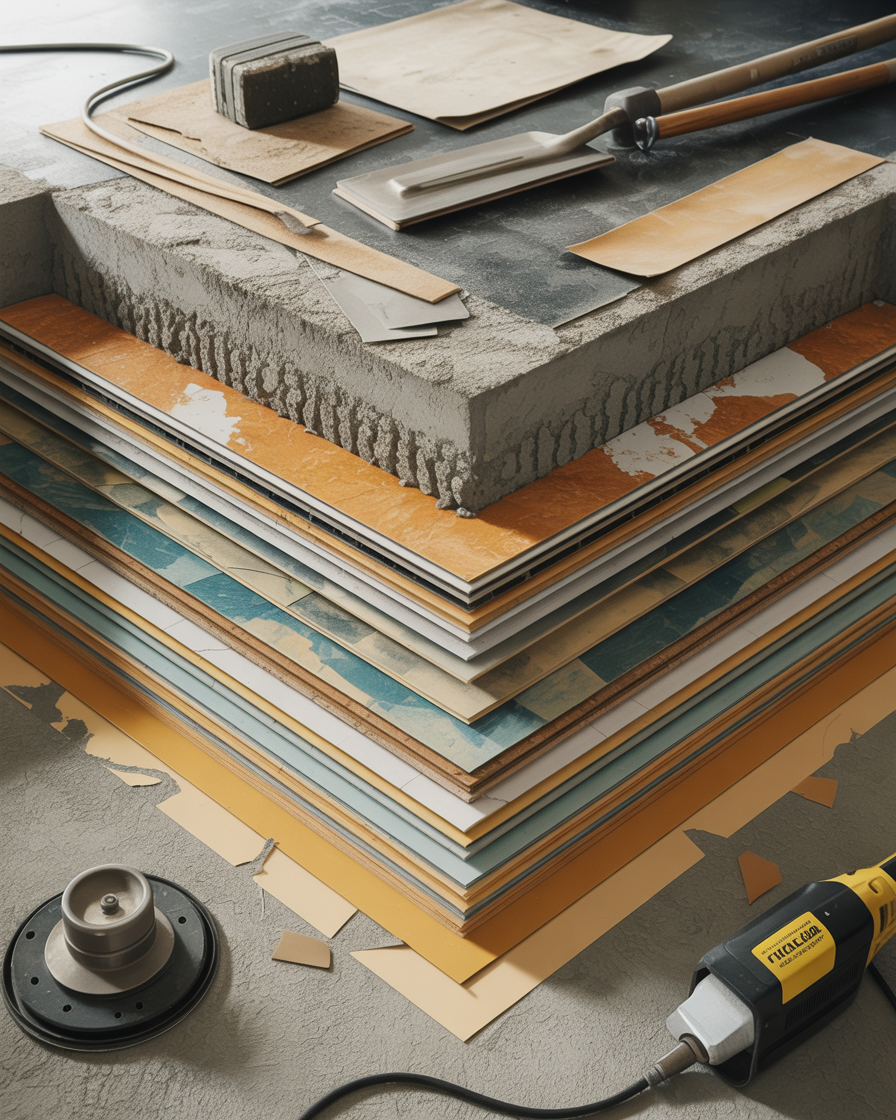
Cross Section View
Removal Process
Epoxy Floor Removal and Industrial Coatings
01
Molecular-Level Bonding
Epoxy floor removal in garages, warehouses, and commercial facilities requires specialized equipment because epoxy coatings bond chemically to concrete at the molecular level. These coatings don't scrape or peel away like adhesives. They must be mechanically removed using diamond grinding equipment that literally grinds away the top layer of concrete along with the epoxy coating. The process generates fine dust requiring powerful vacuum systems and produces a roughened concrete surface that's ideal for new coating application but that must be cleaned thoroughly before any new products are applied.
02
Multiple Coating Layers
Industrial floor coatings in warehouse and manufacturing facilities sometimes include multiple layers applied over years of facility use. Paint, epoxy, urethane, and other coating systems build up over time, creating thick coating layers that hide the concrete underneath. Complete coating removal to bare concrete allows proper inspection of the slab condition and ensures new flooring systems bond correctly without being compromised by contamination from old coatings.
03
Specialized Equipment Required
The equipment required for epoxy and coating removal includes planetary grinders, scarifiers, and shot blasting machines depending on coating thickness and the final surface profile needed for new flooring. These machines are expensive and require skilled operators who understand how to achieve uniform results across large floor areas. This specialized equipment requirement is why epoxy floor removal costs substantially more per square foot than carpet or vinyl removal.
Professional Industrial Floor Coating Removal
Our team has the specialized diamond grinding equipment, planetary grinders, and shot blasting machines necessary for complete epoxy and industrial coating removal. We understand the technical requirements for proper surface preparation, maintain powerful dust collection systems to control the fine particles generated during grinding, and deliver the uniform surface profiles required for successful new coating applications. Whether you're dealing with garage epoxy, warehouse floor coatings, or manufacturing facility surfaces, we bring the expertise and equipment needed to handle industrial coating removal professionally.
Carpet Removal and Pad Demolition
Standard Carpet Removal
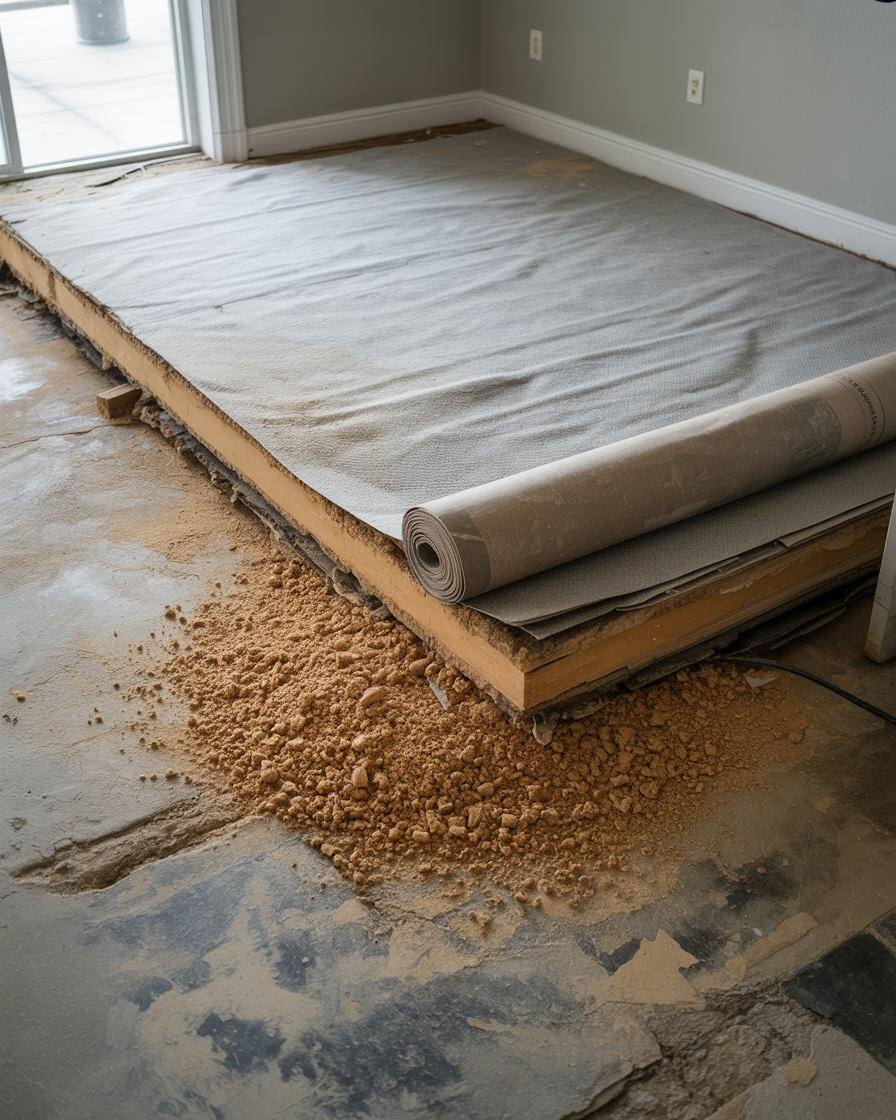
Carpet removal seems like straightforward work until you encounter carpet glued directly to concrete, padding that's deteriorated into powder that fills the air with particles when disturbed, or tack strips that have rusted into concrete over decades in our humid San Antonio climate. Standard carpet installed over padding with tack strips around the perimeter comes up relatively quickly. Contractors pull up carpet, roll it for disposal, remove padding underneath, and then pry up tack strips that held everything in place.
Commercial Carpet Systems
Commercial carpet in office buildings, retail spaces, and hospitality properties often involves glue-down installation where carpet tiles or broadloom carpet adheres directly to concrete with full spread adhesive. Removing glued carpet requires breaking the adhesive bond and then addressing residual adhesive that remains on the concrete. Older commercial carpet installations might have adhesives containing asbestos, requiring testing and potentially licensed abatement before carpet removal proceeds.
Substrate Inspection
The concrete underneath carpet often shows moisture staining, efflorescence, or damage that wasn't visible until carpet came up. Discovering these substrate issues doesn't mean your floor removal project failed. It means you now have information about your property's condition that allows you to address problems before installing new flooring that would eventually fail from moisture or substrate deterioration.
Residential
Commercial
Preparing San Antonio Properties for Successful Floor Installation
Clean, Stable Substrates
Floor demolition creates the clean, stable substrate that new flooring requires for proper performance and longevity. Contractors completing professional floor removal verify that substrates are structurally sound, address any damage or deterioration discovered during demolition, and prepare surfaces to meet the requirements specified by flooring manufacturers for their products. This thorough preparation prevents the premature flooring failures that result when new materials are installed over substrates that weren't properly prepared.
Strategic Project Timing
Timing floor demolition with your renovation schedule keeps projects moving efficiently. Completing floor removal too early leaves substrates exposed to potential damage from other trades working on the property. Removing floors too late delays flooring installation and pushes back project completion. Experienced contractors coordinate with your general contractor or project manager to schedule floor demolition at the optimal point where substrates can be immediately turned over to flooring installers.
Professional Dust Control
Dust control during floor demolition protects your property and neighboring spaces from the fine particles generated by grinding, scraping, and breaking flooring materials. Professional contractors use HEPA filtered vacuums connected directly to removal equipment, maintain containment barriers around work areas, and run air scrubbers continuously during demolition hours. These dust control measures are especially important in occupied buildings where businesses or residents continue using spaces adjacent to areas undergoing floor removal.
Setting Your Project Up for Long-Term Success
Professional floor demolition isn't just about removing old materials—it's about creating the foundation for successful new flooring installation. Our systematic approach to substrate preparation, project timing, and dust control ensures your San Antonio property receives the thorough preparation that leads to flooring systems that perform well and last for years. We coordinate seamlessly with your renovation schedule and work clean to protect your property throughout the demolition process.
Why Professional Floor Demolition Matters for Your San Antonio Property
Why Professional Service Matters
Attempting floor removal as a DIY project or hiring inexperienced contractors might seem like money saved, but the reality is that improper floor demolition creates problems costing far more than professional services would have. Damaged substrates from aggressive removal techniques require expensive repair. Inadequate surface preparation causes new flooring to fail prematurely. Exposure to asbestos or other hazardous materials during uninformed removal creates health risks and potential legal liability. Professional floor demolition services deliver clean, properly prepared substrates that give your new flooring the foundation it needs for years of successful performance.
SAT X DEMO
San Antonio's Floor Demolition Experts
Sat X Demo brings experience with floor demolition across residential and commercial properties throughout San Antonio. We understand the flooring types common in our area, the substrate conditions typical in South Texas buildings, and the preparation requirements that make new flooring installations successful.
Residential Properties
Commercial Buildings
San Antonio Local
Whether you're renovating a single room in your home or preparing an entire commercial building for new flooring systems, we handle floor removal with the care and expertise your property deserves.
Ready to Transform Your Space?
Contact us to discuss your floor demolition project and learn how we can prepare your San Antonio property for the new flooring that transforms your space.