satxdemo.com

Sat X Demo LOGO

Author name: wally@alphaleadmarketing.com

Why Demolition Projects Require Emergency Plumbing on Standby in Richmond TX Demolition and renovation projects are exciting. You're transforming your Richmond home, updating outdated spaces, or completely reimagining your property. But beneath the surface of those walls you're tearing down lies a network of plumbing that's been in place for years, sometimes decades. One wrong swing of a sledgehammer, one miscalculated cut, or one unexpected discovery can turn your renovation dream into a plumbing nightmare. Water gushing from broken pipes. Sewage backups. Flooding that damages floors, walls, and belongings. These aren't rare occurrences during demolition work. They're predictable risks that smart contractors and homeowners plan for before the first wall comes down. After responding to countless emergency calls from Richmond homeowners mid-renovation, I can tell you that having professional plumbing support on standby isn't optional for demolition projects. It's essential protection that prevents minor incidents from becoming catastrophic disasters. Let me walk you through why demolition work and plumbing emergencies go hand in hand, and how to protect your Richmond property during construction. The Hidden Plumbing Risks in Every Demolition Project When you look at a wall scheduled for demolition, you see drywall, studs, and maybe some old insulation. What you don't see is the plumbing running behind it. Supply lines bringing fresh water. Drain lines carrying wastewater. Vent stacks managing sewer gases. All hidden from view until demolition exposes them. Outdated Plumbing Maps and Missing Documentation Many Richmond homes, especially in established neighborhoods like Pecan Grove and older sections near downtown, have plumbing configurations that don't match original blueprints. Previous owners made changes. Handymen rerouted pipes. Updates happened without proper documentation. Demolition crews can't avoid what they don't know exists. That supply line that was supposed to be three feet to the left? It's actually right where the sledgehammer just struck. That drain pipe marked on 30 year old plans? It was moved during a kitchen remodel in 2005, and nobody updated the drawings. These surprises happen constantly during demo work. Without immediate access to emergency plumbing Richmond TX services, a simple mistake turns into hours of water damage while you scramble to find help. Aged and Fragile Pipe Materials Richmond's older homes often contain plumbing materials that were standard decades ago but are fragile by today's standards. Galvanized steel pipes corrode from the inside out. Cast iron drain lines become brittle with age. Even copper pipes can develop weak spots after years of use. Demolition creates vibrations and impacts throughout your home's structure. Walls coming down, floors being torn up, heavy equipment moving through spaces, all of this can stress old plumbing to the breaking point. A pipe that's been holding steady for 40 years might finally give out when demolition shakes the house. It's not anyone's fault. It's just the reality of working with aged infrastructure during construction projects. Accidental Strikes and Cuts Even with careful planning and experienced crews, accidents happen. Saw blades cut deeper than intended. Pry bars slip. Heavy materials fall in unexpected directions. When any of these accidents involve plumbing, the results are immediate and potentially devastating. A cut water supply line can release gallons of water per minute. In the time it takes to locate the main shutoff valve, hundreds of gallons can flood your property. Cutting into a drain line releases sewage and creates health hazards that require professional remediation. Construction sites move fast. Demolition crews work efficiently, removing materials quickly. That speed is great for keeping projects on schedule, but it also means plumbing accidents escalate rapidly without immediate professional response. Real Demolition Disasters We've Responded To Let me share some actual emergency calls we've handled at Temper Mechanical Air & Heat LLC during Richmond demolition projects. These aren't worst case scenarios. They're typical examples of what happens when plumbing emergencies strike during construction. The Kitchen Remodel Water Disaster A homeowner in Sugar Land decided to update their 1980s kitchen. The demolition crew was removing the old sink and countertops when they accidentally damaged the main water supply line running through the wall. Water immediately began flooding the kitchen. The homeowner tried shutting off the under-sink valves, but those only controlled the fixture lines, not the damaged main supply. By the time they located and closed the whole house shutoff, water had spread throughout the kitchen, into the adjacent dining room, and started seeping into the basement. Our emergency response team arrived within 45 minutes, assessed the damage, and implemented temporary solutions while we scheduled proper repairs. But the water damage to flooring, drywall, and cabinetry that had already been purchased for the remodel added thousands to the project cost. If emergency plumbing services had been on standby before demolition started, we could have responded within minutes instead of hours, dramatically reducing water damage. The Bathroom Renovation Sewage Backup A Richmond family was renovating their master bathroom. During demolition of the old shower, the crew accidentally broke a drain line hidden in the wall. Nobody noticed immediately because the damage wasn't obvious. Two days later, when other bathrooms in the house were being used, sewage began backing up through the broken pipe into the wall cavity behind the demolished shower area. The smell alerted the homeowners that something was seriously wrong. The contaminated wall cavity required complete remediation. Insulation needed removal and replacement. Framing had to be treated for bacteria. The project timeline extended by two weeks, and costs ballooned because of the sewage contamination. Professional plumbing inspection before and during demolition would have identified the damaged line immediately, preventing the sewage backup entirely. The Whole House Renovation Surprise A contractor was managing a complete renovation of an older Richmond home. Demolition was progressing smoothly until they removed a section of flooring and discovered a slow leak that had apparently been happening for months, possibly years. The leak had rotted floor joists, created mold growth in the subfloor, and compromised the structural integrity of that section of the house. What started as cosmetic renovation suddenly required structural repairs, mold remediation, and extensive plumbing replacement. The homeowner had no idea the leak existed. It was completely hidden until demolition exposed it. Having plumbing professionals involved from the start would have allowed for comprehensive inspection that caught the leak before demolition began. How Professional Contractors Prevent Plumbing Disasters Experienced contractors who regularly handle Richmond demolition and renovation projects know that plumbing protection isn't an afterthought. It's part of the pre-construction planning process. Pre-Demolition Plumbing Inspection Before any walls come down, professional plumbing inspection identifies exactly where supply lines, drain lines, and vent stacks run throughout the areas being demolished. This involves reviewing available plans, but more importantly, it involves physical inspection and sometimes camera investigation. Modern pipe cameras can travel through drain lines showing exactly where pipes run, what condition they're in, and whether there are existing problems that demolition might exacerbate. Knowing precisely where plumbing exists allows demolition crews to work carefully around critical lines and prepare contingency plans for areas where accidental damage is most likely. Strategic Shutoff Points Part of plumbing preparation involves identifying and testing shutoff valves throughout the house. Which valve controls water to the kitchen? Is there a shutoff for the bathroom cluster? Does the main shutoff actually work, or has it seized from years of disuse? Before demolition starts, these valves get tested and, if necessary, replaced. When accidents happen, crews know exactly which valve to close to stop water flow immediately without shutting down the entire house. Protective Measures for Existing Plumbing In some cases, plumbing that's staying in place needs physical protection during demolition. Supply lines might get temporarily capped and drained. Drain lines might get covered with protective barriers. Exposed pipes in demolition areas get marked clearly so crews can work around them. These protective measures seem like extra steps, but they prevent the majority of accidental damage that would otherwise occur during aggressive demolition work. On-Site Emergency Response Plan Professional projects establish clear emergency protocols before demolition begins. Everyone on site knows where shutoff valves are located. They know who to call if plumbing damage occurs. They have 24/7 plumber near me contact information readily available, not something they need to search for while water floods the property. At Temper Mechanical Air & Heat LLC, we work with contractors and homeowners to establish these response plans. When we're on standby for a demolition project, our team knows the property layout, understands the scope of work, and can respond immediately if issues arise. Why Richmond Demolition Projects Face Unique Challenges Richmond's housing stock and climate create specific plumbing vulnerabilities during demolition that other areas might not face. Age and Construction Style of Richmond Homes Many Richmond homes were built between the 1970s and 1990s. That means plumbing systems are 30 to 50 years old, approaching or exceeding their expected lifespan. Demolition work on these homes almost always reveals plumbing that needs updating even if it wasn't part of the original project scope. Construction methods from those decades also mean plumbing often runs in ways that modern codes wouldn't allow. Drain lines with insufficient slope. Venting that doesn't meet current standards. Supply lines that cross through areas where they're vulnerable to damage. Demolition exposes these issues, and responsible contractors address them rather than covering them back up. But that requires having plumbing expertise available during the demolition phase, not waiting until problems surface mid-project. Texas Climate Impact on Plumbing Richmond's heat and humidity affect plumbing materials over time. Plastic components become brittle. Rubber seals dry out and crack. Corrosion accelerates in our humid environment. These aging effects mean pipes that look fine on the outside might be fragile internally. The stress of demolition can be the final push that causes failure. Additionally, many Richmond homes have experienced freeze events over the years. Even if pipes didn't burst during those freezes, they may have developed micro-cracks that remained stable until demolition vibrations worsened them. What Homeowners Should Demand from Contractors If you're planning demolition or renovation work on your Richmond property, here's what you should expect from professional contractors regarding plumbing protection: Comprehensive Pre-Demo Inspection Insist on plumbing inspection before demolition begins. This should include visual inspection, testing of shutoffs, and camera investigation of drain lines in demolition areas when appropriate. Clear Emergency Contact Protocol Know who the contractor calls if plumbing damage occurs. If they don't have established relationships with emergency plumbing services, that's a red flag about their experience level. Documented Plumbing Locations Contractors should document where plumbing runs in areas being demolished. This might involve marking walls, taking photos, or creating simple diagrams that guide demolition crews. Standby Service Agreement For major demolition projects, establish a standby agreement with a plumbing company like Temper Mechanical. This ensures immediate response if problems occur, rather than scrambling to find help during an emergency. Insurance and Liability Coverage Verify that contractors carry adequate insurance covering plumbing damage during demolition. This protects you financially if accidents occur. The Cost of Prevention vs. Emergency Response Homeowners often hesitate about the cost of having plumbing professionals involved throughout demolition projects. Let me put those costs in perspective. Pre-demolition plumbing inspection typically costs a few hundred dollars. Standby service agreements for the duration of a project might add another few hundred. These upfront investments feel like added expense on already costly renovation budgets. But consider the alternative. Emergency water damage from a broken supply line can easily cost $5,000 to $15,000 in remediation, repairs, and material replacement. Sewage backup contamination can double or triple those numbers. Project delays add thousands more in extended contractor costs and temporary housing if your home becomes unlivable. The relatively small investment in professional plumbing support throughout demolition prevents exponentially larger costs when things go wrong. Partner with Richmond's Trusted Plumbing Experts At Temper Mechanical Air & Heat LLC, we've supported countless demolition and renovation projects throughout Richmond, Sugar Land, Rosenberg, and Fort Bend County. We understand the plumbing challenges these projects create, and we provide the proactive support that prevents emergencies rather than just responding to them. Our services for demolition projects include comprehensive pre-demo plumbing inspection, standby emergency response during active demolition, immediate repair of accidental damage, and guidance on plumbing upgrades revealed during demo work. Whether you're a contractor managing a major renovation or a homeowner tackling a DIY project, having professional urgent plumbing services Richmond on your side protects your investment and keeps your project on track. Don't wait until water is flooding your property to find plumbing help. Contact Temper Mechanical Air & Heat LLC before your demolition project begins. We'll assess your plumbing, establish emergency protocols, and provide the expert support that turns potential disasters into smoothly managed situations. Call (346) 485-8142 today to discuss your demolition project and establish plumbing protection that gives you confidence throughout the renovation process. Your demolition project deserves professional plumbing support from start to finish. Let Temper Mechanical be your partner in protecting your Richmond home.
Uncategorized

Why Demolition Projects Require Emergency Plumbing on Standby in Richmond TX

Why Demolition Projects Require Emergency Plumbing on Standby in Richmond TX Demolition and renovation projects are exciting. You’re transforming your Richmond home, updating outdated spaces, or completely reimagining your property. But beneath the surface of those walls you’re tearing down lies a network of plumbing that’s been in place for years, sometimes decades. One wrong swing of a sledgehammer, one miscalculated cut, or one unexpected discovery can turn your renovation dream into a plumbing nightmare. Water gushing from broken pipes. Sewage backups. Flooding that damages floors, walls, and belongings. These aren’t rare occurrences during demolition work. They’re predictable risks that smart contractors and homeowners plan for before the first wall comes down. After responding to countless emergency calls from Richmond homeowners mid-renovation, I can tell you that having professional plumbing support on standby isn’t optional for demolition projects. It’s essential protection that prevents minor incidents from becoming catastrophic disasters. Let me walk you through why demolition work and plumbing emergencies go hand in hand, and how to protect your Richmond property during construction. The Hidden Plumbing Risks in Every Demolition Project When you look at a wall scheduled for demolition, you see drywall, studs, and maybe some old insulation. What you don’t see is the plumbing running behind it. Supply lines bringing fresh water. Drain lines carrying wastewater. Vent stacks managing sewer gases. All hidden from view until demolition exposes them. Outdated Plumbing Maps and Missing Documentation Many Richmond homes, especially in established neighborhoods like Pecan Grove and older sections near downtown, have plumbing configurations that don’t match original blueprints. Previous owners made changes. Handymen rerouted pipes. Updates happened without proper documentation. Demolition crews can’t avoid what they don’t know exists. That supply line that was supposed to be three feet to the left? It’s actually right where the sledgehammer just struck. That drain pipe marked on 30 year old plans? It was moved during a kitchen remodel in 2005, and nobody updated the drawings. These surprises happen constantly during demo work. Without immediate access to emergency plumbing Richmond TX services, a simple mistake turns into hours of water damage while you scramble to find help. Aged and Fragile Pipe Materials Richmond’s older homes often contain plumbing materials that were standard decades ago but are fragile by today’s standards. Galvanized steel pipes corrode from the inside out. Cast iron drain lines become brittle with age. Even copper pipes can develop weak spots after years of use. Demolition creates vibrations and impacts throughout your home’s structure. Walls coming down, floors being torn up, heavy equipment moving through spaces, all of this can stress old plumbing to the breaking point. A pipe that’s been holding steady for 40 years might finally give out when demolition shakes the house. It’s not anyone’s fault. It’s just the reality of working with aged infrastructure during construction projects. Accidental Strikes and Cuts Even with careful planning and experienced crews, accidents happen. Saw blades cut deeper than intended. Pry bars slip. Heavy materials fall in unexpected directions. When any of these accidents involve plumbing, the results are immediate and potentially devastating. A cut water supply line can release gallons of water per minute. In the time it takes to locate the main shutoff valve, hundreds of gallons can flood your property. Cutting into a drain line releases sewage and creates health hazards that require professional remediation. Construction sites move fast. Demolition crews work efficiently, removing materials quickly. That speed is great for keeping projects on schedule, but it also means plumbing accidents escalate rapidly without immediate professional response. Real Demolition Disasters We’ve Responded To Let me share some actual emergency calls we’ve handled at Temper Mechanical Air & Heat LLC during Richmond demolition projects. These aren’t worst case scenarios. They’re typical examples of what happens when plumbing emergencies strike during construction. The Kitchen Remodel Water Disaster A homeowner in Sugar Land decided to update their 1980s kitchen. The demolition crew was removing the old sink and countertops when they accidentally damaged the main water supply line running through the wall. Water immediately began flooding the kitchen. The homeowner tried shutting off the under-sink valves, but those only controlled the fixture lines, not the damaged main supply. By the time they located and closed the whole house shutoff, water had spread throughout the kitchen, into the adjacent dining room, and started seeping into the basement. Our emergency response team arrived within 45 minutes, assessed the damage, and implemented temporary solutions while we scheduled proper repairs. But the water damage to flooring, drywall, and cabinetry that had already been purchased for the remodel added thousands to the project cost. If emergency plumbing services had been on standby before demolition started, we could have responded within minutes instead of hours, dramatically reducing water damage. The Bathroom Renovation Sewage Backup A Richmond family was renovating their master bathroom. During demolition of the old shower, the crew accidentally broke a drain line hidden in the wall. Nobody noticed immediately because the damage wasn’t obvious. Two days later, when other bathrooms in the house were being used, sewage began backing up through the broken pipe into the wall cavity behind the demolished shower area. The smell alerted the homeowners that something was seriously wrong. The contaminated wall cavity required complete remediation. Insulation needed removal and replacement. Framing had to be treated for bacteria. The project timeline extended by two weeks, and costs ballooned because of the sewage contamination. Professional plumbing inspection before and during demolition would have identified the damaged line immediately, preventing the sewage backup entirely. The Whole House Renovation Surprise A contractor was managing a complete renovation of an older Richmond home. Demolition was progressing smoothly until they removed a section of flooring and discovered a slow leak that had apparently been happening for months, possibly years. The leak had rotted floor joists, created mold growth in the subfloor, and compromised the structural integrity of that section of the house. What started as cosmetic renovation suddenly required structural repairs, mold
What Happens After Concrete Slab Removal? Site Prep Guide
Uncategorized

What Happens After Concrete Slab Removal? Site Prep Guide

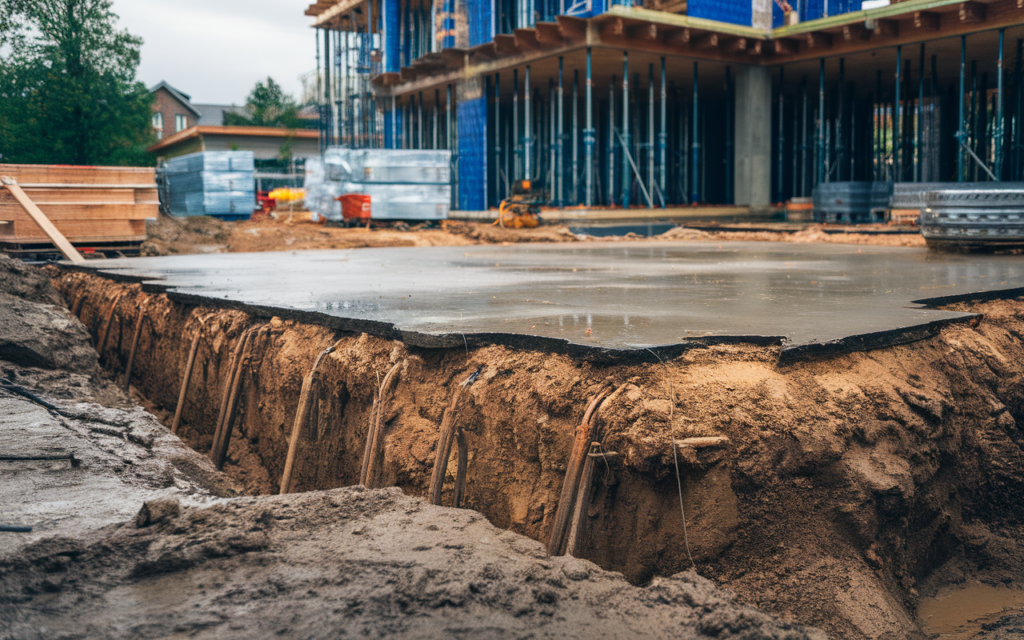
What Happens After Concrete Slab Removal? Site Prep Guide The concrete is gone. Your old cracked patio, deteriorating driveway, or failing garage slab has been broken up, hauled away, and all you see now is exposed dirt where solid concrete used to be. If you’re like most San Antonio homeowners, you’re staring at that freshly cleared area wondering what comes next and whether the ground is actually ready for whatever you’re planning to build, pour, or plant. Understanding what happens after concrete slab removal and what site preparation is actually necessary prevents costly mistakes that undermine your next project before it even begins. The truth is that proper site preparation after slab removal makes the difference between new construction that performs well for decades and projects that fail within years because they were built on inadequately prepared ground. The work that happens between removing old concrete and installing new improvements directly affects drainage, stability, and long term performance of whatever you build next. Immediate Site Conditions After Slab Removal When professional contractors finish concrete slab removal, they should leave your property graded to appropriate elevations and cleared of debris, but the ground itself needs time and additional work before it’s truly ready for most new construction. The area where concrete sat for years or decades has been compressed under that weight, and the soil behaves differently than surrounding ground that hasn’t supported heavy loads. You’ll notice immediately that the exposed soil sits lower than adjacent areas, creating a depression where the slab used to be. This happens because contractors excavate below the original slab surface to remove the concrete and any base material beneath it. The depth of this depression depends on how thick your slab was and whether base rock existed under the original installation. A four inch slab on compacted soil creates a modest depression, while a six inch slab over four inches of base material leaves you with a ten inch deep area requiring fill. Scattered concrete fragments often remain in the soil even after thorough cleanup, particularly in areas where old slabs were extremely deteriorated or where tree roots broke concrete into small pieces that mixed with dirt. These fragments don’t necessarily cause problems for landscaping, but they should be removed if you’re planning new concrete installation or construction that requires clean compacted fill. The soil texture in areas that were covered by concrete for extended periods differs noticeably from surrounding exposed ground. Dirt that spent years or decades beneath impervious concrete hasn’t experienced normal moisture cycles, biological activity, or compaction from weather exposure. This protected soil often feels looser and more uniform than dirt that’s been exposed to elements, and it will compact and settle differently as it adjusts to being uncovered. Grading and Drainage Considerations Proper grading after slab removal addresses two critical concerns: directing water away from structures and creating appropriate slopes for your intended use of the space. These grading requirements vary dramatically depending on what you’re planning for the area, but they’re never optional if you want to avoid water problems that damage new improvements or affect your home’s foundation. Water must flow away from building foundations at minimum slopes of one quarter inch per foot according to building codes, and steeper slopes work even better for moving water efficiently. If your removed slab was adjacent to your home, garage, or other structures, grading the exposed area to direct water away becomes essential before doing anything else. This might mean sloping the ground away from the building and toward property drainage paths, or creating swales that channel water around rather than toward structures. Standing water in the depression left by slab removal signals inadequate grading that requires correction before proceeding with new construction or landscaping. After significant rain, walk out to inspect your cleared area. If you see puddles or saturated zones that don’t drain within a few hours, the grading isn’t adequate and needs adjustment. This standing water indicates that whatever you install in this area will face ongoing moisture problems unless you fix the grade first. San Antonio’s expansive clay soil creates particular drainage challenges because the clay absorbs water slowly and holds it near the surface rather than allowing deep percolation. Proper grading becomes even more critical in our soil conditions because water that doesn’t drain away quickly sits on or near the surface, creating the wet dry cycles that cause soil expansion and contraction. If you’re planning new concrete installation after your driveway removal or patio demolition, inadequate drainage guarantees the same soil movement problems will affect your new slab just like they damaged the old one. Professional grading for complex sites sometimes requires bringing in additional fill material to achieve proper slopes and elevations. The depression left by slab removal might be too deep to simply smooth into surrounding grade without creating low spots or inadequate slope. Adding quality fill dirt and compacting it properly costs money but provides the stable properly drained foundation that new improvements require. Soil Compaction and Stabilization Even after grading establishes proper slopes and drainage patterns, the soil itself needs compaction and stabilization before it can reliably support new construction or concrete installation. Loose uncompacted soil settles under load over time, creating exactly the uneven surfaces and cracking problems you removed the old slab to escape. Soil compaction involves systematically compressing dirt to increase its density and load bearing capacity. For areas that will support new concrete slabs, driveways, or structural loads, proper compaction is essential and can’t be skipped without guaranteeing future problems. Compaction happens in layers called lifts, with each layer being compressed before the next is added, creating uniform density throughout the fill depth. The moisture content of soil during compaction dramatically affects results because clay soils compact most effectively at specific moisture levels. Soil that’s too dry won’t compress adequately, while overly wet soil becomes mushy and won’t achieve proper density. Professional site preparation includes testing and adjusting soil moisture to optimal levels before compaction work

5 Signs Your Concrete Slab Needs Removal (Not Repair) | San Antonio Guide
Uncategorized

5 Signs Your Concrete Slab Needs Removal (Not Just Repair)

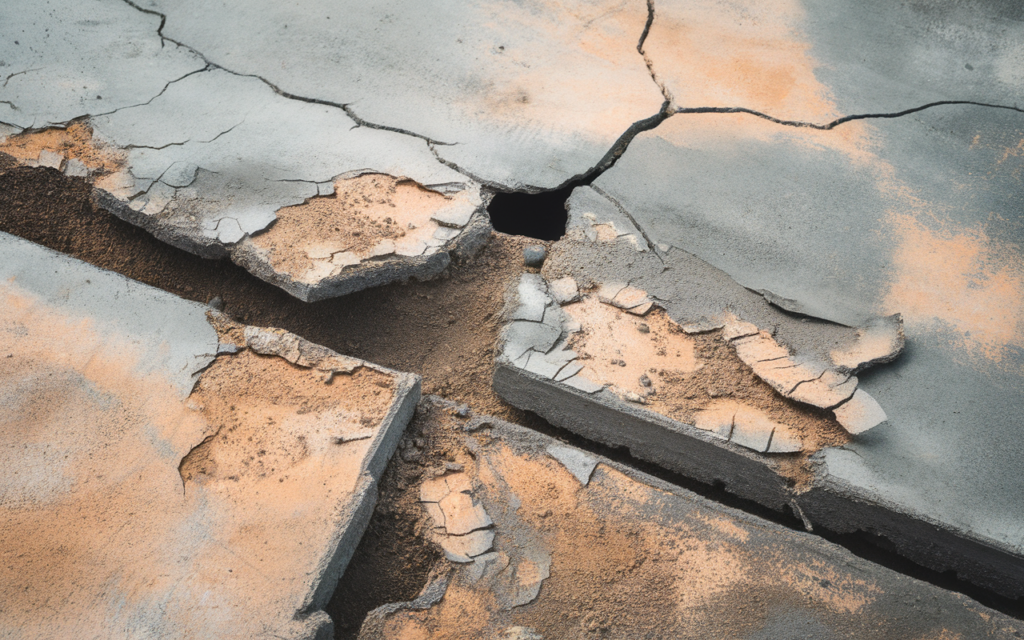
5 Signs Your Concrete Slab Needs Removal (Not Just Repair) Standing in your San Antonio backyard staring at cracks spreading across your concrete patio, you face a question every homeowner eventually confronts: can this be patched, or does the whole thing need to come out? It’s a fair question because concrete repair costs hundreds while concrete slab removal runs into thousands. Nobody wants to spend more than necessary, but choosing repair when removal is actually required just throws money away on fixes that won’t last. The truth is that concrete slabs give clear signals when they’ve reached the point where patches and overlays won’t solve the underlying problems. Recognizing these signs saves you from wasting money on temporary repairs that fail within months, forcing you to eventually do the removal you should have done initially. Understanding the difference between repairable damage and removal-level failure helps you make informed decisions based on your slab’s actual condition rather than wishful thinking about cheaper options. Sign 1: Severe Cracking That Spreads Across the Entire Slab Not all cracks mean your concrete needs removal. Small hairline cracks from normal concrete curing or minor settling often stabilize and never progress into serious problems. A single isolated crack an eighth inch wide doesn’t necessarily signal structural failure. But when cracking becomes severe, widespread, and progressive, you’re looking at a slab that’s fundamentally compromised and won’t benefit from repair attempts. Severe cracking shows distinct patterns that indicate the concrete has lost structural integrity throughout rather than just suffering localized damage. When cracks connect across the entire slab creating distinct sections that have separated from each other, the concrete is no longer functioning as a single unified surface. You’ll see this pattern in older patio demolition projects where multiple cracks intersect, essentially dividing what was once solid concrete into isolated islands that move independently. The width of cracks matters significantly when evaluating whether repair makes sense. Cracks wider than a quarter inch indicate serious structural movement that patching compounds can’t adequately address. These wide cracks allow water penetration deep into the slab and beneath it, creating ongoing problems that worsen over time regardless of surface repairs. When you can fit a pencil into a crack, you’re well past the point where filling provides any lasting solution. Progressive cracking that worsens noticeably over months or years tells you the underlying cause hasn’t been resolved and won’t be fixed by addressing symptoms. Slabs suffering from ongoing soil movement, inadequate base preparation, or structural overloading continue deteriorating regardless of how many times you fill cracks. Each rainy season or freeze thaw cycle opens cracks wider and creates new fractures as the fundamental problem continues affecting your concrete. Spalling that accompanies severe cracking makes repair even less viable because you’re dealing with both structural and surface failure. When concrete not only cracks but also begins flaking, chipping, or breaking apart at the surface, the material has deteriorated beyond what patching can restore. This combined cracking and spalling pattern appears frequently in San Antonio slabs affected by our soil conditions and indicates complete removal is the only permanent solution. Sign 2: Major Soil Heaving Creating Uneven Surfaces San Antonio’s expansive clay soil creates unique challenges for concrete slabs that property owners in regions with stable soil never face. Our soil swells significantly when wet and shrinks dramatically during dry periods, creating constant movement beneath slabs. Over years and decades, this movement causes heaving where sections of concrete lift unevenly, creating trip hazards and drainage problems that repair can’t correct. You know soil heaving has reached removal level when height differences between adjacent slab sections exceed an inch or two. Walking across your patio or driveway removal area and encountering noticeable lips where one section sits significantly higher than the next indicates the soil beneath has moved extensively. This differential settlement can’t be reversed through surface repairs, and attempting to grind down high spots just thins the concrete in those areas without addressing why sections heaved in the first place. Heaving that creates water pooling problems signals serious issues requiring slab removal. Concrete should slope away from structures for proper drainage, but soil movement disrupts original grading and creates low spots where water collects. These depressions become ponds during rains, accelerating concrete deterioration and potentially directing water toward building foundations. No amount of patching fixes drainage problems caused by fundamental grade changes from soil heaving. Rocking or movement when you walk on specific slab sections indicates the concrete has separated from the soil beneath through heaving cycles. Slabs should feel solid and stable underfoot, but sections affected by severe soil movement sometimes feel springy or shift slightly when loaded. This loss of support means the concrete is essentially floating on unstable soil rather than resting on firm base material. Reinstalling proper base and new concrete becomes necessary rather than trying to stabilize what’s already failed. Multiple heaving cycles that create repeated lifting and settling cause internal concrete damage even when surface cracks aren’t immediately obvious. The concrete fatigues from constant flexing, developing internal fractures that compromise strength before becoming visible at the surface. By the time you see the cracks, the slab has already lost significant structural capacity and won’t perform reliably regardless of surface repairs. Sign 3: Tree Root Damage Destroying Slab Integrity Mature trees beautify San Antonio properties but their root systems create serious problems for concrete slabs when roots grow beneath or through the concrete. Tree roots seeking water and nutrients don’t respect slab boundaries, and once roots establish beneath concrete, the ongoing expansion and contraction cycle creates damage that progressively worsens until removal becomes inevitable. You’ll see tree root damage initially as linear cracks following root paths beneath the slab. These cracks differ from typical settlement cracks because they trace lines radiating from trees rather than following more random patterns. As roots expand, they lift concrete from beneath, creating ridges along crack lines. This heaving from root growth accelerates as trees mature, making the problem worse each growing season

Uncategorized

How Much Does Concrete Slab Removal Cost in San Antonio? (2026 Price Breakdown)

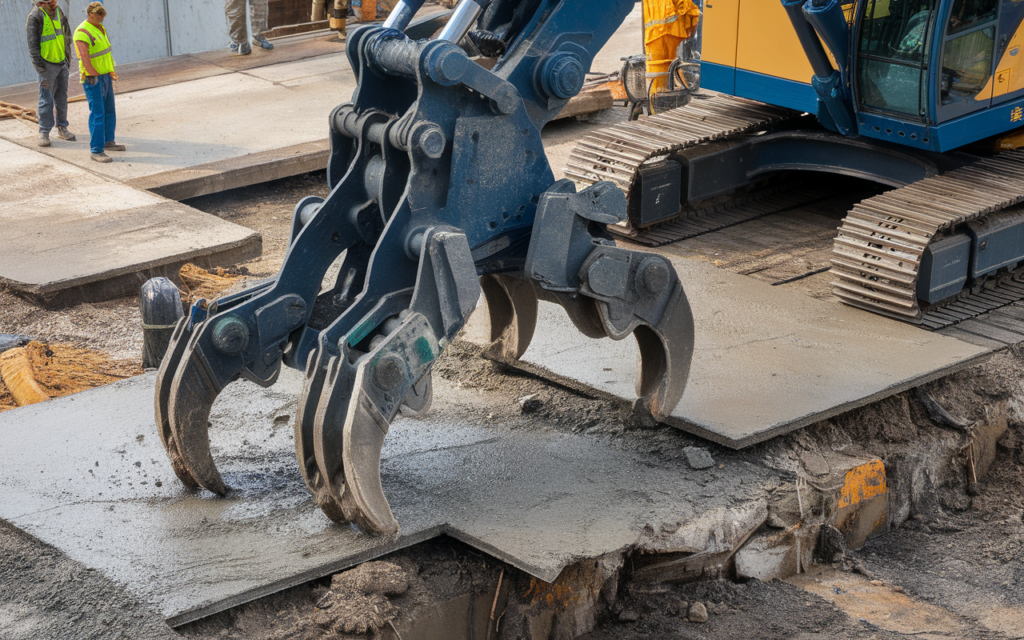
How Much Does Concrete Slab Removal Cost in San Antonio? (2026 Price Breakdown) Staring at a cracked concrete slab in your San Antonio backyard and wondering what it’ll cost to get rid of it? You’re not alone. Every week, homeowners across Bexar County face the same question when old garage slabs, deteriorating patios, or damaged foundation pads reach the point where removal makes more sense than ongoing repairs. Understanding what concrete slab removal actually costs helps you budget realistically and avoid the sticker shock that comes from underestimating this necessary but often expensive project. The short answer is that concrete slab removal in San Antonio typically costs between six and ten dollars per square foot for complete removal including breaking, hauling, and site cleanup. But that range expands significantly based on factors specific to your property and the condition of the concrete you need removed. A small 100 square foot shed pad might cost $600 to remove, while a large 600 square foot driveway removal project could easily reach $6,000 for thorough demolition and proper site preparation. What You Actually Pay Per Square Foot The per square foot pricing model makes sense for concrete work because it accounts for the reality that larger slabs take proportionally more time, generate more debris, and involve greater disposal costs than smaller ones. In 2026, most professional concrete slab removal contractors in San Antonio charge between $6 and $10 per square foot for standard residential work. This pricing includes everything from the initial breaking through final site grading. Where you fall within that range depends primarily on concrete thickness and reinforcement density. A simple four inch residential slab with basic wire mesh reinforcement sits at the lower end around $6 per square foot. Thicker six inch slabs with heavier rebar throughout push toward $8 per square foot. Commercial grade eight inch slabs with extensive steel reinforcement can reach $10 per square foot or higher because the extra thickness and steel require more powerful equipment and significantly more time to break apart completely. The square footage itself drives your total cost more than any other single factor. A typical single car garage slab measuring roughly 200 square feet costs $1,200 to $2,000 for complete removal at standard rates. Double that to 400 square feet for a two car garage and you’re looking at $2,400 to $4,000. A large patio demolition project covering 500 square feet runs $3,000 to $5,000 for thorough removal and cleanup. Breaking Down What’s Included in Professional Pricing When contractors quote you a price for concrete slab removal, understanding what that number actually covers prevents confusion later when the work begins. Professional pricing should include every step from initial breaking through final cleanup, not just the dramatic part where heavy equipment pounds through concrete. The breaking phase involves using jackhammers for smaller areas or hydraulic breakers mounted on excavators for larger slabs. This equipment rental or ownership cost gets built into contractor pricing along with the skilled labor to operate machinery safely and efficiently. Breaking concrete isn’t just randomly smashing until it falls apart. Experienced crews work systematically to fracture slabs into manageable pieces while cutting through reinforcing steel as they progress. Loading and hauling represents a substantial portion of total cost because concrete is extraordinarily heavy. A modest 200 square foot slab four inches thick generates roughly three tons of debris. That material must be loaded into trucks using excavators or skid steers, then hauled to disposal facilities that charge by weight. Multiple truck loads mean multiple disposal fees, and the distance from your property to approved facilities affects how many loads contractors can complete in a day. Disposal fees at San Antonio area facilities typically run $40 to $60 per ton for concrete debris. Some contractors route material to concrete recycling facilities that charge slightly less than landfills while supporting environmental responsibility. Either way, disposal costs for even modest slab removal projects easily reach $500 to $1,500 depending on total debris weight. Site cleanup and grading complete professional slab removal service. After concrete is gone, contractors grade the area to proper elevations for drainage, remove scattered concrete fragments, and leave your property with clean ground ready for whatever comes next. This final phase often separates professional contractors from those who consider the job done once visible concrete disappears, leaving you with depressions, debris, and inadequate site preparation. Hidden Costs That Surprise Property Owners Beyond the basic per square foot pricing, several factors add cost to concrete slab removal projects in ways homeowners don’t always anticipate during initial planning. Understanding these potential extras helps you budget more accurately and prevents financial surprises midproject. Access challenges significantly affect costs when slabs sit in locations where large equipment can’t work efficiently. Backyard slabs accessible only through narrow side gates require smaller equipment or even hand breaking in extreme cases. This reduced efficiency translates directly to higher labor costs because the work takes longer with less capable tools. Properties where trucks must park on the street and debris gets hauled around houses or through tight spaces add hours to projects that would complete quickly with direct equipment access. Thicker than expected concrete catches some property owners off guard when contractors discover that what appeared to be a standard four inch slab actually measures six inches or more in certain areas. This extra thickness wasn’t visible before breaking began, but it definitely affects how long removal takes and how much debris requires disposal. Honest contractors adjust pricing when they encounter these surprises, while less scrupulous ones might have underbid initially knowing they’d claim extras later. Rebar density beyond what’s typical for residential work increases breaking difficulty and time requirements. Standard residential slabs use wire mesh or minimal rebar for reinforcement. Slabs poured with commercial specifications or by homeowners who over-engineered their projects contain heavy rebar on tight spacing that must be cut repeatedly as concrete fractures. This additional steel cutting slows progress and wears through cutting equipment faster. Tree root penetration beneath slabs creates

Do I Need a Permit to Demolish My House or Garage in San Antonio?
Uncategorized

Do I Need a Permit to Demolish My House or Garage in San Antonio?

Planning to demolish a structure on your San Antonio property brings an important question that affects your entire project: do you actually need a permit, and what happens if you proceed without one? The straightforward answer is yes, demolition permits are required in San Antonio for tearing down houses, garages, and most other structures on residential and commercial properties. Understanding exactly what the city requires, how to obtain permits, what the process costs, and why following proper procedures protects you from serious problems helps you approach your demolition project correctly from the start. San Antonio Demolition Permit Requirements The City of San Antonio requires demolition permits for removing structures including single family homes, multi family buildings, garages (both attached and detached), sheds larger than 200 square feet, commercial buildings, and any other permanent structures on your property. These requirements apply throughout the city limits and in San Antonio’s extraterritorial jurisdiction, which extends beyond city boundaries into surrounding unincorporated areas. The permit requirement exists regardless of structure size or condition. You cannot avoid permitting by claiming a structure is small, unsafe, or worthless. Even severely damaged buildings that pose safety hazards require proper permits before demolition can legally proceed. The city’s position is that demolition affects neighborhood character, creates debris requiring proper disposal, and involves safety considerations that warrant regulatory oversight. Properties within historic districts or involving structures more than 50 years old face additional review requirements beyond standard demolition permits. The city’s Historic Preservation Office reviews demolition applications for properties in designated historic districts and for structures meeting age criteria in certain areas. This historic review process adds time to permit approval and in some cases can prevent demolition of buildings deemed historically significant. How to Obtain a Demolition Permit in San Antonio Demolition permit applications are submitted through the City of San Antonio Development Services Department, which handles all building permits, inspections, and code enforcement. You can apply online through the city’s ePlan system or submit paper applications at the Development Services office located at 1901 South Alamo Street. The application requires specific information and documentation including: Property Information: Your property address, legal description, and parcel identification number. This information appears on your property tax statements and can be verified through the Bexar County Appraisal District website. Structure Details: Description of what’s being demolished including building type, size, construction materials, and approximate age. You’ll specify whether you’re removing a house, garage, commercial building, or other structure type. Asbestos Inspection Documentation: San Antonio requires proof that structures built before 1978 have been inspected for asbestos containing materials. You must provide the asbestos inspection report or certification that inspection was completed before your permit application will be approved. This requirement aligns with federal and state regulations protecting workers and the public from asbestos exposure during demolition. Utility Disconnection Verification: Documentation showing that you’ve notified utility companies about the planned demolition and arranged for proper disconnection of services. CPS Energy must disconnect electrical and gas service. SAWS must verify water and sewer service will be properly terminated. These utility notifications happen before permits are issued to ensure services are handled safely. Debris Disposal Plan: Information about how demolished materials will be disposed of, including the disposal facility name and confirmation they’ll accept your debris. The city wants assurance that demolished structures won’t simply be burned, buried on site, or dumped illegally. Property Owner Authorization: If you’re not the property owner, you need written authorization from the owner allowing you to demolish structures on their property. Contractors handling demolition for property owners provide this documentation as part of the application. Site Plan: Simple drawing showing the property boundaries, location of structures being demolished, and any structures that will remain on the property after demolition. This doesn’t need to be professionally drafted but should clearly communicate what’s being removed and what’s staying. Demolition Permit Costs in San Antonio Demolition permit fees are calculated based on the assessed value of the structure being demolished. The city uses the Bexar County Appraisal District’s improvement value for the structure to determine appropriate fees. This calculation means larger, more valuable structures cost more to permit than small accessory buildings. Current permit fees follow this general structure: For structures with improvement values under $10,000, permit fees typically range from $50 to $150. Small detached garages, sheds, and accessory structures usually fall into this lower fee category. For residential structures valued between $10,000 and $50,000, permit fees generally run $150 to $300. Older smaller homes and deteriorated structures often fall into this mid range category. For residential structures valued between $50,000 and $150,000, permit fees typically range from $300 to $600. Most standard single family homes in San Antonio fall into this valuation range for permitting purposes. For structures valued above $150,000, permit fees exceed $600 and scale upward based on assessed improvement value. Larger homes, multi family buildings, and commercial structures generate higher permit fees reflecting their substantial value. Additional fees apply for expedited permit review if you need faster approval than the standard processing timeline provides. Reinspection fees are charged if required inspections aren’t scheduled properly or if work doesn’t pass initial inspection. These fees cover the city’s administrative costs for permit processing, plan review, and inspection services. They’re paid when you submit your permit application and are generally non-refundable even if you later decide not to proceed with demolition. Demolition Permit Processing Timeline Standard permit processing for straightforward residential demolition typically takes seven to fourteen business days from complete application submission to permit approval. This assumes your application includes all required documentation and doesn’t require additional review beyond standard processing. Applications missing required documentation or containing errors that need correction take longer because the clock essentially stops until you provide missing information or correct problems. Incomplete applications can delay permit issuance by weeks if applicants are slow to respond to city requests for additional information. Historic review requirements add substantial time when they apply. Properties in historic districts or structures meeting historic age criteria undergo additional

Uncategorized

Interior Demolition Permits: What Property Owners Need to Know Before Work Begins

Interior Demolition Permits: What Property Owners Need to Know Before Work Begins The decision to skip permits during interior demolition projects tempts many property owners looking to save money or avoid delays. The permit fee might be several hundred dollars, and the approval process could add weeks to your timeline. Contractors sometimes suggest that “simple” interior work doesn’t really need permits, or that pulling permits just invites unnecessary government oversight into your project. These arguments sound reasonable until you understand what actually happens when building departments discover unpermitted work or when you try to sell a property with undocumented structural modifications. Understanding permit requirements, the inspection process, and the real risks of proceeding without proper authorization helps you make informed decisions that protect your investment rather than creating problems that haunt you for years. When Interior Demolition Requires Permits Permit requirements for interior demolition vary by jurisdiction, but most cities and counties require permits whenever work affects building structure, alters utility systems, or changes how spaces are used. Removing walls that carry structural loads always requires permits because this work directly affects building safety and must be engineered properly. Even removing what appears to be a simple partition wall might require permits if that wall provides lateral bracing, encloses fire rated assemblies, or contains utilities serving other parts of the building. The distinction between cosmetic changes and work requiring permits isn’t always obvious to property owners. Removing cabinet boxes, light fixtures, or carpet typically doesn’t require permits because these changes don’t affect building structure or systems. However, removing the walls behind those cabinets, relocating electrical panels, or opening floors to access plumbing below crosses into territory where permits become necessary. The general principle is that work affecting anything hidden within walls, ceilings, or floors requires permits even when the changes seem straightforward to someone without construction expertise. Commercial interior demolition almost always requires permits regardless of what specific work is happening. Commercial properties fall under closer regulatory scrutiny than residential spaces, and building departments expect permits for tenant improvement work, space reconfiguration, or any substantial interior changes in commercial buildings. The assumption is that commercial spaces affect public safety more broadly than residential projects because employees, customers, and visitors use these spaces. Contractors working on commercial projects understand these requirements and factor permit costs and timelines into their project planning as standard practice. Residential interior demolition requirements depend heavily on the scope of work and local regulations. Some jurisdictions require permits for any wall removal regardless of whether walls are load bearing. Others allow removal of non-structural partitions without permits while requiring approval for any structural changes. Bathroom and kitchen renovations typically need permits even when demolition is relatively minor because these projects involve plumbing and electrical work that must meet code. Finishing basements requires permits in most areas even though the work might feel like simple interior improvement rather than significant construction. The safest approach for property owners uncertain about whether permits are required involves contacting your local building department and describing the work you’re planning. Building officials can clarify what permits apply to your specific situation and what documentation you’ll need to submit. This conversation costs nothing and protects you from making assumptions that prove incorrect after work has already begun. What Building Inspectors Actually Look For The inspection process during permitted interior demolition serves multiple purposes beyond simply verifying that contractors followed approved plans. Inspectors confirm that structural modifications were engineered properly and that temporary supports protect building stability during demolition. They verify that utility disconnections happened safely and that active systems serving other building areas weren’t compromised by demolition work. They check that hazardous materials were handled according to regulations and that debris disposal follows environmental requirements. Structural inspections become critical when walls are being removed or when openings are being created or enlarged. Inspectors want to see that temporary shoring supports loads properly before permanent structural elements are removed. They verify that new beams or headers are sized correctly according to engineering calculations, installed at proper heights, and supported adequately at bearing points. They confirm that connections between new structural elements and existing building framing meet code requirements for transferring loads safely. These structural verifications protect not just the property owner but everyone who will use the building after renovation is complete. Inspections during demolition often reveal conditions that weren’t obvious before work began and that affect how renovation must proceed. Inspectors might identify structural deficiencies in existing framing that need correction before new construction begins. They might discover code violations from previous work that must be addressed as part of the current project. They sometimes find hazardous conditions like deteriorated wiring or compromised structural members that pose safety risks requiring immediate attention. While discovering these issues feels frustrating when you’re trying to keep a project on schedule, inspectors serve an important role identifying problems before they cause injuries or failures. The documentation that inspectors create during permitted work becomes part of the property’s permanent record. Future owners will know that structural modifications were engineered and inspected properly. Lenders evaluating the property for mortgage purposes can verify that major work met code requirements. Insurance companies investigating claims can confirm that building modifications followed proper procedures. This documentation has value that extends well beyond the immediate project and protects property owners from questions that arise years after demolition work is complete. The Real Risks of Unpermitted Interior Demolition Property owners who proceed with interior demolition without required permits face multiple risks that often materialize years after the work is finished. The most immediate risk comes from building department enforcement if officials discover unpermitted work through complaints from neighbors, observations by inspectors visiting the property for other reasons, or aerial imagery showing changes to the building. Enforcement actions can require that you obtain permits retroactively, expose completed work for inspection, and sometimes undo modifications that don’t meet code requirements even though they’ve been in place for months or years. The cost of addressing unpermitted work after

Interior and Selective Demolition Services
Uncategorized

How Interior Demolition Impacts Occupied Buildings and How to Plan Around It

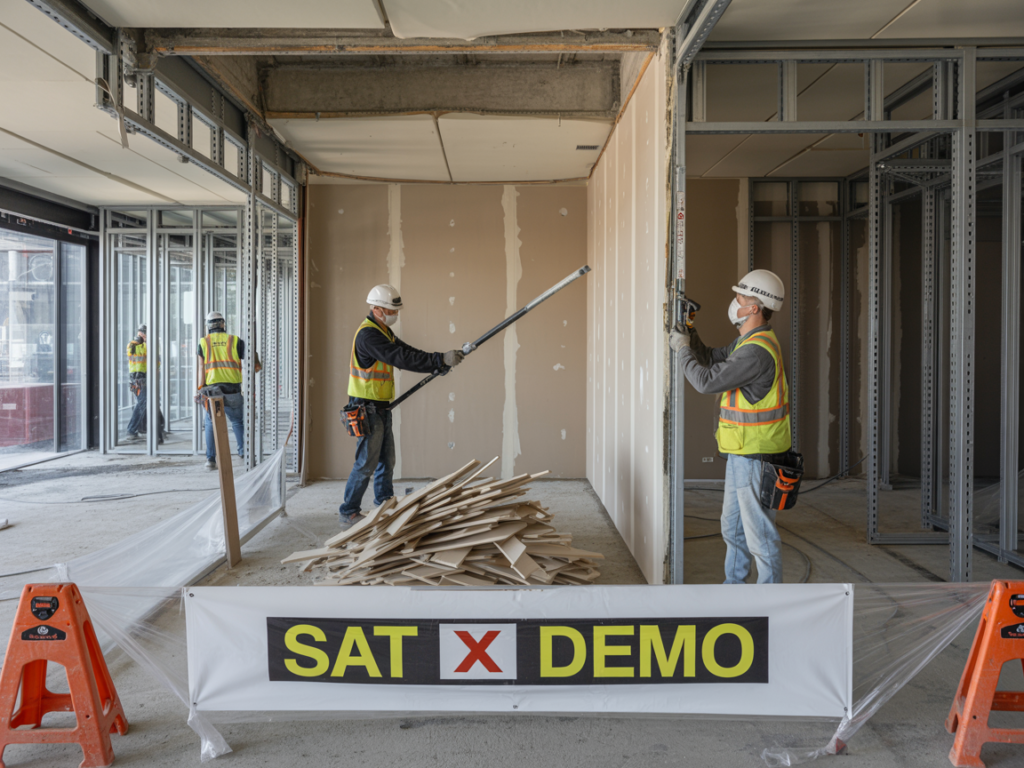
How Interior Demolition Impacts Occupied Buildings and How to Plan Around It Interior demolition rarely happens in empty buildings where contractors can work without worrying about disrupting anyone. Most projects occur in commercial buildings where neighboring tenants continue operating their businesses or in homes where families keep living in portions of the house not under renovation. Understanding how demolition work affects people trying to work, conduct business, or maintain their normal routines in these occupied spaces helps property owners plan more effectively and avoid the conflicts that arise when disruption exceeds what occupants were prepared to handle. The Reality of Noise in Occupied Spaces Demolition work generates noise that travels through buildings in ways property owners often underestimate. Breaking through drywall with hammers creates sharp impacts that carry through wall framing into adjacent spaces. Cutting metal studs with power saws produces high pitched sounds that penetrate barriers separating work zones from occupied areas. Debris dropping into dumpsters creates sudden loud crashes that startle people working nearby. Running jackhammers to remove concrete floors generates vibration and sound that affects multiple floors in commercial buildings. The challenge isn’t just the volume of noise but its unpredictable nature. People working in offices can often adapt to consistent background noise, but demolition produces irregular impacts and sudden loud sounds that make concentration difficult. Phone conversations become challenging when callers on the other end hear demolition noise bleeding through. Businesses conducting meetings with clients struggle to maintain professional atmospheres when demolition work echoes through the building. Residential occupants trying to work from home, help children with homework, or simply relax find the irregular banging and crashing exhausting over days or weeks of continuous work. Planning around noise disruption starts with honest communication about what occupants should expect. Property owners who downplay noise concerns to avoid complaints set themselves up for worse conflicts when reality exceeds what people were told to anticipate. Better to acknowledge that demolition will be genuinely disruptive for specific periods and work with occupants to schedule the noisiest work during times that minimize impact on their critical activities. Scheduling strategies can significantly reduce noise conflicts even when they can’t eliminate disruption entirely. Commercial demolition contractors often work outside normal business hours, starting early in the morning before offices open or working evenings and weekends when buildings are less occupied. This approach costs more because contractors pay premium rates for off-hours work, but the added expense often proves worthwhile compared to the productivity losses and tenant complaints that result from demolition during peak business hours. Residential projects might concentrate the noisiest work during specific days rather than spreading it across weeks, allowing families to plan around intense disruption periods rather than enduring ongoing lower level noise that never seems to end. Communication before noisy work begins gives occupants time to adjust schedules, warn their own clients or visitors about temporary disruption, and mentally prepare for the reality of what’s coming. Contractors who notify adjacent occupants the evening before particularly noisy work demonstrate respect that reduces frustration even when the noise itself remains unavoidable. Property managers in commercial buildings often send weekly updates to all tenants describing what work will happen where and when, helping businesses plan around anticipated disruptions rather than being caught off guard. Dust Migration and Air Quality Concerns Dust from interior demolition creates problems that extend well beyond the immediate work area if not properly controlled. Breaking drywall generates fine particles that float in the air and travel wherever air currents carry them. Removing ceiling tiles releases accumulated dust from decades of building operation. Cutting through walls releases particles that settle on surfaces throughout surrounding spaces. In commercial buildings with shared HVAC systems, dust from demolition zones can be drawn into ductwork and distributed to spaces far from where work is happening. The health implications of dust exposure concern building occupants legitimately. Construction dust irritates respiratory systems, triggers allergies, and creates discomfort even for people without underlying health conditions. Occupants who develop coughs, experience eye irritation, or notice dust accumulation on their desks and equipment reasonably question whether adequate dust control measures are in place. These concerns intensify when demolition involves older buildings where dust might contain lead particles from deteriorated paint or other contaminants accumulated over decades of building use. Effective dust control requires multiple strategies working together rather than relying on any single approach. Physical barriers separating work zones from occupied areas form the first line of defense. Contractors seal doorways with plastic sheeting and create zippered access panels that minimize air exchange between demolition zones and surrounding spaces. They tape plastic sheeting over HVAC registers in work areas to prevent dust from being drawn into building ventilation systems. In some situations, contractors seal entire corridors or portions of buildings to create controlled zones where demolition happens isolated from ongoing operations elsewhere. Air filtration equipment running continuously during demolition hours helps capture airborne particles before they migrate beyond work zones. Industrial air scrubbers pull air through multiple filtration stages, removing progressively finer particles before returning cleaned air to the space. Creating negative air pressure in demolition areas ensures that air flows from surrounding spaces toward the work zone rather than pushing dust outward. This negative pressure approach, borrowed from asbestos abatement protocols, effectively contains dust when properly maintained throughout the work period. Daily cleanup protocols matter as much as containment systems because dust that settles on surfaces within work zones can become airborne again each time workers move through the area or operate equipment. Contractors committed to minimizing dust impact sweep and vacuum work areas at the end of each shift rather than letting debris and dust accumulate throughout multi-day projects. They mist demolished materials before moving them to reduce dust generation during handling. These basic housekeeping practices require discipline and add time to each workday, but they dramatically reduce the dust burden that escapes containment barriers. Property owners should verify that contractors plan appropriate dust control measures before work begins rather than assuming basic precautions will

What Interior and Selective Demolition Means
Uncategorized

What Really Makes Interior Demolition More Complex Than It Looks

What Really Makes Interior Demolition More Complex Than It Looks Standing in a commercial space with outdated carpet, drop ceilings, and partition walls that need removal, the work ahead can seem straightforward. You’re not tearing down a building. You’re just taking out some walls and finishes so renovation can begin. How complicated could that possibly be? This perspective, common among property owners approaching their first interior demolition project, underestimates the layers of complexity hidden within walls and above ceilings in virtually every existing building. Understanding why interior demolition consistently proves more intricate than it appears helps you make better decisions about contractors, budgets, and timelines while avoiding the costly surprises that derail projects built on overly optimistic assumptions. The Hidden World Behind Walls and Above Ceilings Buildings don’t reveal their true complexity until you start opening them up. The walls you see as simple barriers between rooms actually contain networks of electrical wiring, plumbing pipes, HVAC ducts, data cabling, and sometimes structural elements that weren’t obvious from visual inspection. A wall that looks like a basic partition might house the main electrical panel feeding the entire floor. What appears to be a small closet might contain plumbing risers serving bathrooms on multiple levels above. The ceiling hiding behind acoustic tiles might reveal ductwork running in configurations that don’t match building plans, if plans even exist for modifications made over the building’s lifetime. Contractors bidding on interior demolition face this uncertainty in every project. They can’t know with complete confidence what exists within walls until those walls are opened. Experienced contractors account for this uncertainty in their planning and pricing, building in time to address complications that almost inevitably appear. Less experienced operators bid projects assuming everything will be straightforward, then find themselves struggling when reality doesn’t match their optimistic assumptions. The difference between these approaches becomes obvious once demolition begins and hidden conditions start revealing themselves. Buildings that have been through multiple tenants or several rounds of renovation present especially complex situations. Each previous occupant made changes. Walls got added or removed. Utilities got rerouted. Equipment got installed and later removed, sometimes leaving abandoned wiring or pipes in place. These layers of modification create what demolition contractors call a “house of cards” where you can’t simply remove one element without understanding how it connects to or affects everything around it. The commercial space that’s housed five different businesses over twenty years contains five different sets of decisions about layout and systems, many of which contradict each other or create configurations that make no sense until you understand the building’s evolution. Residential properties that have been extensively remodeled over decades present similar challenges. The kitchen that was moved from one side of the house to the other left old plumbing lines in the original location. The bathroom addition twenty years ago required running new supply and drain lines that might pass through walls now scheduled for removal. The electrical service upgrade ten years ago left old wiring in place alongside new circuits because removing the old wiring would have required opening walls throughout the house. All of these hidden conditions wait to surprise whoever takes on demolition work without investigating thoroughly before work begins. Structural Mysteries That Appear During Demolition Determining which walls carry structural loads and which are simple partitions should be straightforward, but buildings frequently surprise contractors with structural elements in unexpected locations. Original construction documents don’t always match what actually got built. Modifications over the years changed how loads transfer through the building. Beams that should exist according to drawings don’t. Columns appear where plans show open space. Load bearing walls aren’t where structural analysis suggested they’d be. Opening walls during demolition sometimes reveals that partition walls everyone assumed were non-structural actually contain posts or beams carrying significant loads. Other times, walls that appear substantial turn out to be simple partitions that can be removed easily. Without opening walls to confirm what’s actually there, contractors make educated guesses based on building age, construction type, and what’s visible from below or above. Those guesses are usually accurate, but when they’re wrong, the consequences affect project cost, timeline, and sometimes safety. Older buildings present particular structural challenges because construction practices have changed significantly over decades. A commercial building from the 1960s might use structural systems and materials that aren’t common in modern construction. Residential homes built in different eras reflect the framing practices, foundation types, and load bearing approaches common when they were constructed. Contractors familiar with buildings from specific periods understand what to expect, but even experienced professionals encounter surprises in buildings that were constructed using non-standard approaches or that have been modified extensively since original construction. The condition of existing structural elements adds another variable that affects how demolition must proceed. Wood framing members might show rot or insect damage that wasn’t visible until finishes were removed. Steel beams might have rust that compromises their capacity. Concrete might be cracked or deteriorated in ways that affect how safely you can remove adjacent elements. These condition issues force contractors to adjust their approach midstream, sometimes requiring temporary shoring or structural stabilization that wasn’t anticipated when the project started. Hazardous Materials Appearing Where You Don’t Expect Them Asbestos requirements are well known in interior demolition, with mandatory testing for buildings constructed before specific dates. What surprises many property owners is how extensively asbestos materials were used in interior finishes and building components. Floor tiles contain asbestos. The mastic adhering those tiles to the substrate contains asbestos. Ceiling tiles contain asbestos. The texture sprayed on drywall contains asbestos. Pipe insulation wrapping plumbing and heating lines contains asbestos. Window caulk contains asbestos. In some buildings from certain eras, virtually every finish material contains asbestos in some form. The testing requirements before demolition exist specifically because asbestos materials look identical to non-asbestos alternatives. You cannot determine whether floor tile contains asbestos by looking at it. The drywall texture that might contain asbestos appears no different than texture applied after asbestos was banned.

Residential vs. Commercial Land Clearing: Key Differences Explained
Uncategorized

Residential vs. Commercial Land Clearing: Key Differences Explained

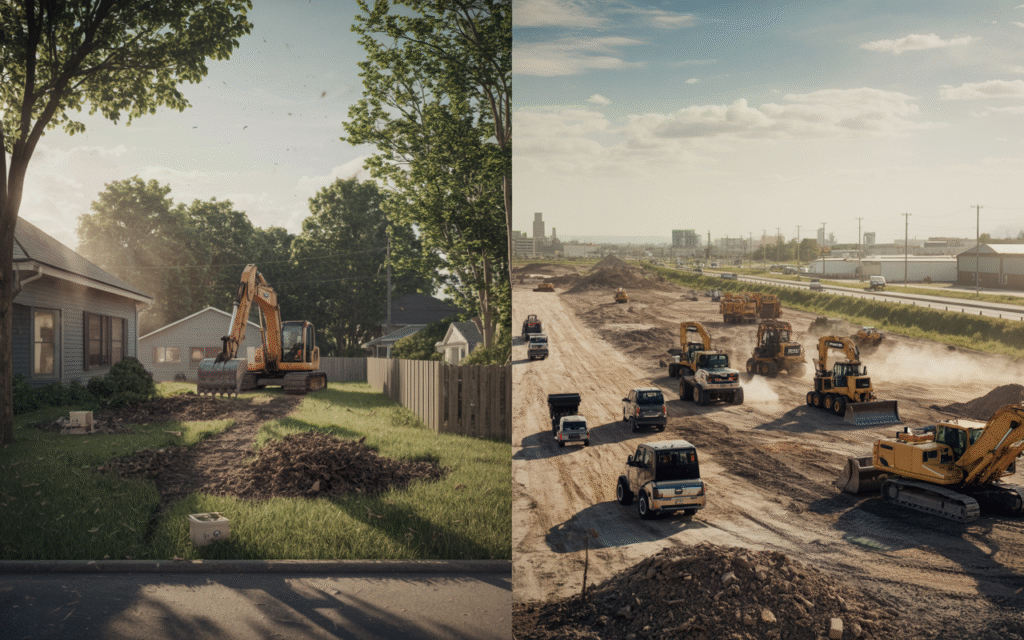
Residential vs. Commercial Land Clearing: Key Differences Explained Land clearing sets the foundation for everything that follows in a development project, whether you’re preparing a residential lot for your future home or readying a commercial tract for a new retail center. In San Antonio, where development continues pushing outward from established neighborhoods into previously undeveloped areas, understanding the fundamental differences between residential and commercial land clearing helps property owners make informed decisions about their projects. These differences extend far beyond simple scale, touching on regulatory requirements, equipment needs, environmental considerations, and the level of planning required before any work begins. Residential land clearing in San Antonio typically involves preparing individual lots or small clusters of homesites, with most single family properties ranging from a quarter acre to one acre in suburban neighborhoods. These projects focus on removing vegetation, clearing brush, grading the lot to establish proper drainage, and creating a building pad where foundation work can begin. The work happens on a human scale where homeowners often walk the property with the clearing contractor, pointing out trees they want to preserve, discussing where the house will sit, and making decisions that reflect personal priorities rather than purely economic calculations. A homeowner preparing land in areas like Stone Oak, Helotes, or the developing corridors along 1604 wants their property cleared thoughtfully with attention to preserving the character that attracted them to the lot in the first place. Commercial land clearing operates on an entirely different magnitude and follows a more industrial process driven by efficiency and return on investment. Commercial projects might involve clearing ten, twenty, or fifty acres at once to make way for shopping centers, office parks, industrial facilities, or multi family developments. These projects follow detailed civil engineering plans that specify exact elevations, drainage patterns, utility corridors, parking areas, and building pad locations. Every decision about what gets cleared, how the site is graded, and where material gets stockpiled comes from engineered drawings rather than walking the site and making choices based on aesthetics or personal preference. The goal is preparing land that meets precise specifications for the structures and improvements coming next, all while completing the work as quickly as possible to keep the development timeline on track. The equipment used for residential land clearing tends toward mid sized machines that can maneuver on typical lot sizes without destroying more vegetation than necessary. Contractors use skid steers, small to medium excavators, and compact track loaders that fit through residential street access and can work effectively on quarter acre to one acre parcels. Brush clearing attachments, tree shears, and small dump trucks handle the vegetation removal and hauling without requiring the massive equipment needed for large scale commercial work. This appropriately sized equipment protects the surrounding properties, works within the constraints of residential neighborhoods where streets weren’t designed for heavy construction traffic, and allows for the selective clearing that residential projects often require. Commercial land clearing brings in heavy industrial equipment designed to move large volumes of earth and vegetation quickly. Bulldozers, large excavators, articulated dump trucks, and land clearing equipment like forestry mulchers work across acres at a time, clearing everything in designated areas according to the civil engineering plans. These machines operate efficiently at scale but aren’t practical for the selective, careful work that residential projects often need. When you’re clearing fifty acres for a commercial development, you’re not picking and choosing which trees stay and which go. You’re systematically clearing entire sections of property to match the grading plan that supports the buildings, parking, and infrastructure the project requires. Planning and permitting requirements diverge significantly between residential and commercial land clearing in San Antonio. Residential projects typically need basic permits through the city or county depending on location, with requirements focused on ensuring proper erosion control and stormwater management during and after clearing. The process is relatively straightforward for most single family lots, though properties in certain areas with environmental sensitivity or within specific jurisdictions might face additional review. Homeowners working with experienced clearing contractors usually find that the contractor handles permit coordination as part of their service, submitting the necessary paperwork and ensuring compliance with local regulations. Commercial land clearing triggers much more extensive regulatory oversight. Projects need detailed site development plans approved by the city’s Development Services Department, comprehensive drainage studies that prove the cleared and graded site won’t create flooding issues for surrounding properties, environmental assessments if the property might contain protected species or sensitive habitats, and often coordination with multiple agencies including Texas Commission on Environmental Quality for stormwater permits on larger sites. The permitting timeline for commercial projects can stretch across months before any clearing begins, and the documentation requirements involve civil engineers, environmental consultants, and sometimes attorneys who navigate the regulatory process. This front end planning adds significant cost and time compared to residential projects, but it’s absolutely necessary for commercial developments that will permanently alter drainage patterns, remove substantial vegetation, and create large impervious surfaces. Environmental considerations scale dramatically between residential and commercial work. Clearing a single residential lot removes perhaps a quarter to half acre of vegetation, affects drainage on that specific property and immediately adjacent lots, and requires erosion control measures like silt fencing to prevent sediment from washing into streets or neighboring yards during rain events. The environmental footprint is localized and manageable with standard best practices that responsible contractors implement routinely. Commercial land clearing affects entire watersheds when you’re removing vegetation and regrading dozens of acres. The removed trees and brush no longer intercept rainfall, which means more water runs off the property faster during storms. The exposed soil becomes vulnerable to significant erosion if not properly managed. Commercial projects require engineered erosion control systems including detention ponds that temporarily hold stormwater before releasing it slowly, sediment basins that capture soil particles before they wash downstream, and sometimes vegetative buffers that filter runoff before it leaves the property. These systems get designed by engineers, installed during clearing, and maintained throughout construction to protect

What San Antonio Demolition Contractors Actually Do A Full Guide for Homeowners and Builders
Uncategorized

What San Antonio Demolition Contractors Actually Do A Full Guide for Homeowners and Builders

What San Antonio Demolition Contractors Actually Do A Full Guide for Homeowners and Builders When most people think about demolition work, they picture a wrecking ball swinging through a building or an excavator tearing down walls in a cloud of dust. The reality of what San Antonio demolition contractors do goes far beyond that single dramatic moment. Professional demolition work involves careful planning, precise execution, environmental responsibility, and a deep understanding of local building codes and site conditions that make every project in this city unique. Whether you’re a homeowner preparing to rebuild after years in an older property or a commercial developer clearing land for new construction, understanding the full scope of demolition services helps you make better decisions and avoid costly mistakes.San Antonio demolition contractors begin every project with a thorough site assessment that goes well beyond measuring the structure. The soil conditions throughout Bexar County present specific challenges that experienced contractors know how to navigate. The expansive clay soils common across the region shift with moisture changes, which means contractors must evaluate how a building sits on its foundation before demolition begins. Properties in established neighborhoods like Terrell Hills or older sections near downtown often have foundations that have moved over decades, creating stress points that affect how a structure needs to come down safely. A contractor who understands these local soil behaviors can predict which walls might be load bearing in unexpected ways or where underground utilities might have shifted from their original placement.The permitting process in San Antonio requires demolition contractors to work directly with the city’s Development Services Department, and this step cannot be rushed or overlooked. Every demolition project needs proper authorization, and the requirements differ based on whether you’re tearing down a single family home, removing a commercial building, or clearing multiple structures on a development site. Contractors handle the permit applications, submit required documentation about asbestos inspection results, provide proof of utility disconnection, and ensure that all environmental assessments are completed before any equipment arrives on site. This administrative work protects property owners from fines and project delays while ensuring that the demolition follows all city safety standards and environmental regulations.Once permits are secured, professional demolition contractors coordinate utility disconnections with CPS Energy, SAWS, and other service providers. This step involves more than just making phone calls. Contractors verify that gas lines are capped properly, that electrical service is completely isolated at the meter and not just at the breaker box, and that water and sewer lines are sealed to prevent contamination of city systems. In older San Antonio neighborhoods, utility maps are often outdated or incomplete, so experienced contractors use a combination of existing records and physical inspection to locate every connection point. Missing even one utility line can lead to dangerous situations during demolition, including gas leaks, electrical hazards, or water main breaks that affect neighboring properties.Asbestos inspection and abatement represents a critical phase that demolition contractors either perform themselves if properly licensed or coordinate with certified specialists. Many homes built in San Antonio before 1980 contain asbestos in floor tiles, pipe insulation, ceiling texture, or siding materials. Commercial buildings from that era often have asbestos in fireproofing materials, roofing components, and wall systems. Texas law requires that any structure being demolished must be inspected for asbestos containing materials, and if present, those materials must be removed by licensed abatement professionals before demolition begins. Sat X Demo works with certified partners to ensure this process meets all state and federal requirements, protecting workers, neighbors, and future site users from exposure to hazardous fibers.The actual demolition process varies dramatically based on the type of structure and the goals for the property after clearing. Residential demolition in San Antonio typically involves either complete teardown or selective demolition where certain elements are preserved. Complete residential demolition starts with removing all salvageable materials that the property owner wants to keep or recycle, including fixtures, cabinetry, and architectural details that have value. Contractors then work systematically from the top down, removing roofing materials first to reduce weight on the structure before taking down walls and framing. The foundation removal comes last, and this step requires understanding how San Antonio’s soil will react once the weight of the structure is gone and how deeply footings extend into the ground.Selective demolition requires even more skill and precision because contractors must remove specific portions of a structure while protecting what remains. This approach is common in remodeling projects where homeowners want to preserve the front facade of a historic home while completely rebuilding the interior and rear sections. Contractors must install temporary supports, carefully disconnect systems, and use hand tools or small equipment in tight spaces to avoid damaging the portions that will stay. The work moves slowly compared to full demolition because every cut and every removed element must be evaluated for its impact on the structural integrity of what remains standing.Commercial demolition projects introduce additional complexity because of building size, occupancy history, and the materials involved in commercial construction. Stripping out the interior of a retail space, office building, or industrial facility requires contractors to understand commercial electrical systems, HVAC ductwork that may contain hazardous materials, and structural elements like steel beams and concrete floors that need specialized equipment to remove. Many commercial demolition projects in San Antonio happen on active sites where neighboring businesses continue operating, which means contractors must control dust, manage noise levels, and maintain safety barriers that protect the public while work progresses. Concrete removal is one of the most demanding aspects of demolition work in San Antonio, and it comes up in both residential and commercial projects. Foundation slabs, driveways, parking lots, and interior floors require heavy machinery and skilled operators who can break concrete efficiently without damaging underground utilities or affecting adjacent structures. The thickness and reinforcement of concrete varies widely depending on when it was poured and what it was designed to support. Older residential slabs might be four inches thick with minimal rebar, while commercial foundations

Scroll to Top