Thorough site preparation lays the groundwork for safe and efficient commercial demolition. We invest significant effort before any structural work begins to identify every factor that might affect the project. This preparation phase prevents surprises that cause delays and ensures we have appropriate resources and plans in place for whatever conditions exist on the property.
Utility mapping identifies every service line entering and running through the property. Commercial buildings typically have more complex utility infrastructure than residential properties. Multiple electric services, gas lines serving kitchens or heating systems, water lines of various sizes, sewer and storm drain connections, and telecommunications cables all require precise location and documentation. We work with utility companies to obtain as built drawings when available, but we also verify conditions in the field because older properties sometimes have undocumented lines or services that were added over the years without updating records. Locating these utilities prevents dangerous situations like cutting into active gas lines or severing power to adjacent properties.
Hazard checks assess the property for conditions that require special handling. We look for asbestos in various building materials, lead paint in older structures, PCB containing electrical equipment, mercury switches in mechanical systems, and any signs of chemical storage or use that might indicate contamination. Commercial properties that housed dry cleaners, auto repair shops, gas stations, or industrial operations often have contamination that needs assessment before demolition begins. We also check for structural hazards like compromised load bearing members, unstable walls, or deteriorated floor systems that might collapse unexpectedly during demolition. Identifying these hazards early allows us to develop appropriate handling procedures and budget for any abatement or remediation required.
Material identification helps us plan efficient demolition methods and waste management. Understanding whether a building uses primarily wood framing, steel structure, reinforced concrete, or masonry construction determines what equipment we bring and how we sequence the demolition. We also identify materials that have salvage value like structural steel, copper, and aluminum that can be separated for scrap recycling. Large quantities of specific materials affect our hauling and disposal plans because concrete goes to different facilities than wood waste or metal. Knowing the material composition in advance streamlines operations and reduces costs through better planning.
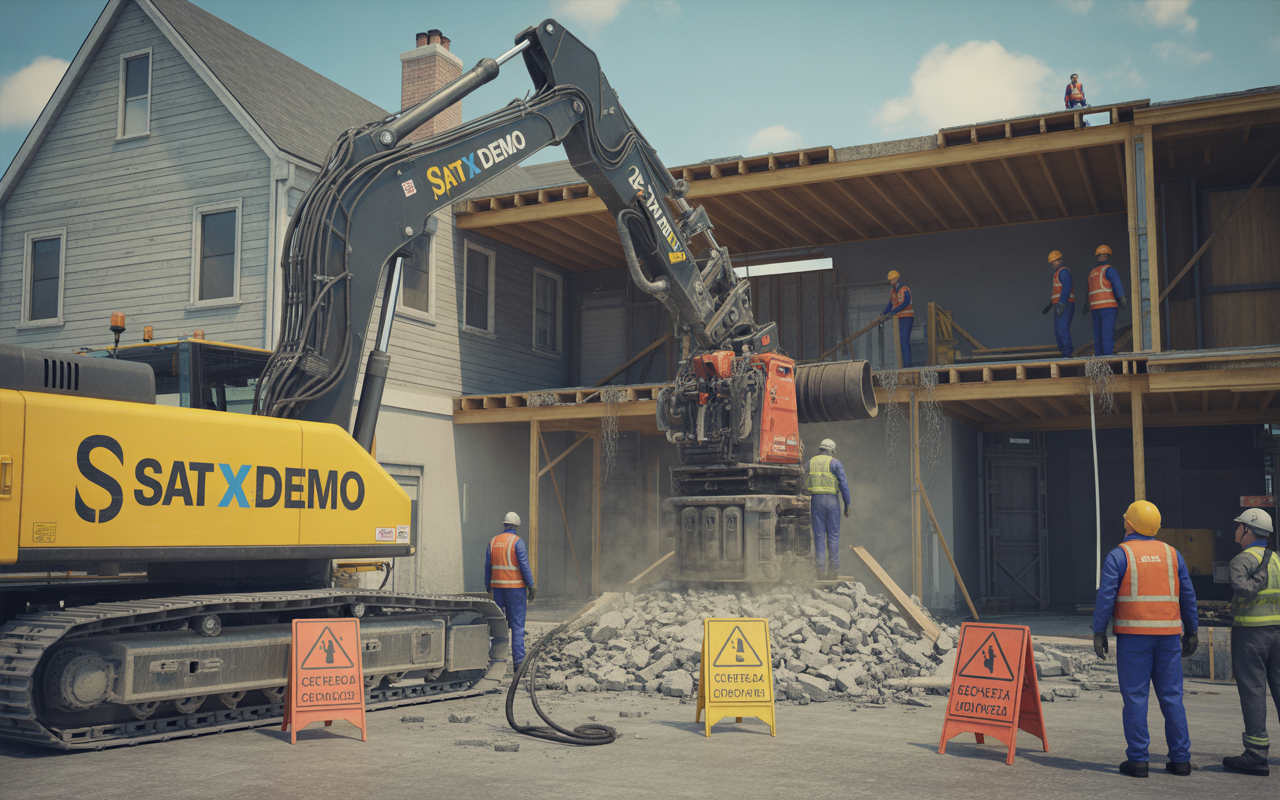
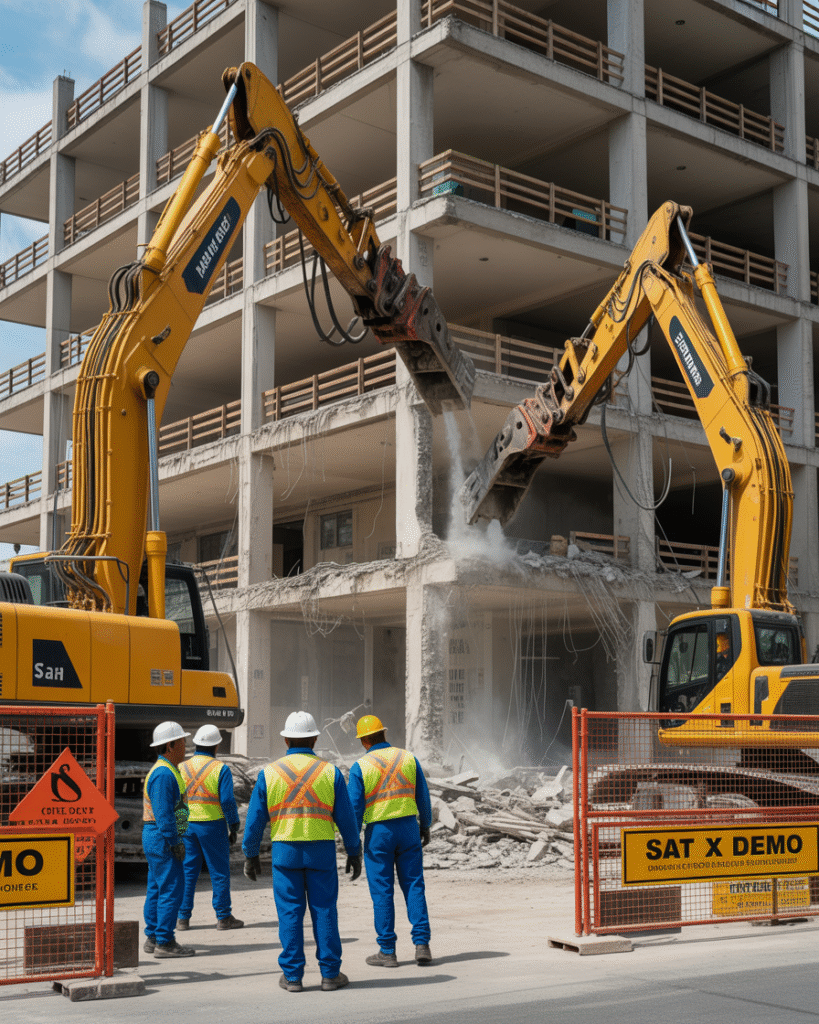
Equipment staging requires careful thought on commercial sites. Large excavators, loaders, and haul trucks need space to operate safely and efficiently. We identify staging areas for equipment, debris loading zones, and traffic routes that keep operations flowing smoothly. Sites with limited space require more careful choreography of equipment movements to prevent congestion. We sometimes need to coordinate staged equipment delivery rather than bringing everything to the site at once because there simply isn’t room to park multiple large machines. Proper equipment staging improves safety by keeping workers and machines organized rather than creating chaotic work zones.
Traffic management becomes essential on commercial sites near active roads or in urban areas. We develop plans that route demolition trucks away from peak traffic periods when possible and coordinate any necessary street closures or lane restrictions with the city. Sites on busy corridors require flaggers and traffic control measures to protect both workers and the traveling public. We communicate with adjacent businesses about expected truck traffic so they can prepare their customers and employees for temporary disruptions. Good traffic management prevents accidents and reduces complaints from neighbors who appreciate knowing what to expect.
Dumpster and hauling planning ensures we have adequate capacity to handle debris without slowing work progress. Commercial demolition generates enormous debris volumes that quickly overwhelm inadequate disposal capacity. We calculate expected debris quantities based on building size and construction type, then arrange appropriate dumpster sizes and hauling schedules. Large projects often require multiple dumpsters on site simultaneously with coordinated hauling that removes full containers and delivers empties without gaps that would halt demolition work. We also arrange for specialized hauling when projects involve materials that require separate disposal like asbestos, contaminated soil, or other regulated waste.