satxdemo.com

What You Need to Know About Hiring a Demolition Contractor in San Antonio

Choosing someone to tear down a building on your property feels different than hiring most other types of contractors. You’re not asking someone to build something beautiful or fix something broken. You’re asking them to safely and completely remove a structure from your land, navigate city regulations, protect neighboring properties, and leave you with a clean site ready for whatever comes next. The person or team you hire for this work carries significant responsibility, and understanding what separates a qualified demolition contractor from someone with a truck and an excavator helps you make decisions that protect your investment and keep your project moving forward.

Call CTA Section

For a Faster Response, Call Us Direct

Speak directly with our demolition experts and get immediate answers to your questions. We're here to help!

210-702-2201
Call Now
Start Your Free Demolition Estimate
Name

Understanding What a Demolition Contractor Actually Does

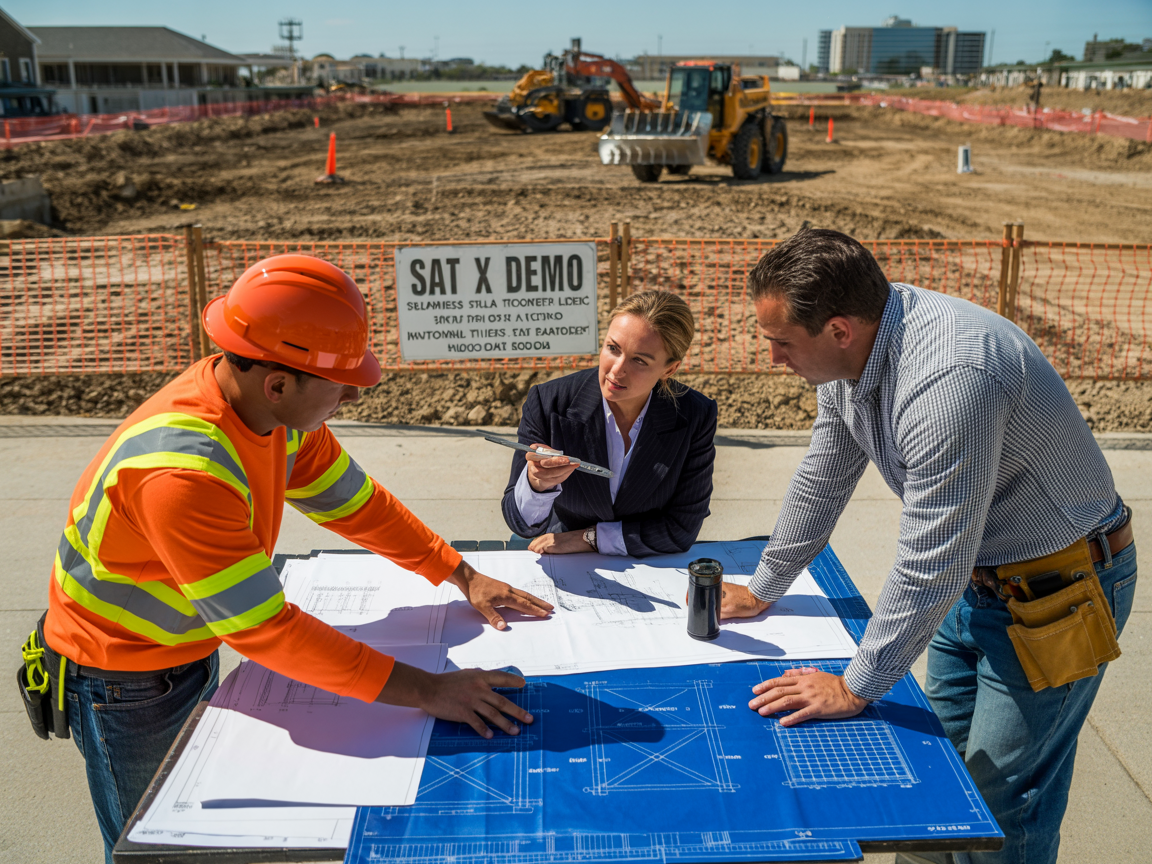
The work begins long before any equipment shows up at your property. A qualified demolition contractor starts by walking your site, evaluating the structure that needs removal, identifying potential complications, and developing a detailed plan for how the work will proceed. They’re looking at access points to determine what equipment can reach the property. They’re assessing the building’s construction type to understand how it will come apart safely. They’re noting proximity to neighboring structures, overhead power lines, underground utilities, and anything else that might affect how the demolition happens.

This assessment phase separates contractors who understand their craft from those who show up and start swinging. An experienced contractor working in San Antonio neighborhoods knows that a 1950s ranch house in Terrell Hills comes down differently than a 1980s two story in Stone Oak. They recognize foundation types that were common in different eras of local construction. They understand that older properties near downtown might have utility configurations that don’t match current standards. All of this knowledge informs the demolition plan that guides every subsequent decision on your project.

Once the contractor understands your property and what needs removal, they handle the administrative work that keeps your project legal and compliant. This means pulling permits through the city’s Development Services Department, which requires submitting documentation about the structure, proof that utilities will be properly disconnected, and confirmation that environmental assessments have been completed when required. Many property owners don’t realize that demolition work without proper permits exposes them to fines and complications when they try to move forward with new construction. A legitimate contractor treats permit acquisition as a fundamental responsibility, not an optional step you might skip to save money or time.

Environmental compliance represents another area where contractors earn their value. Texas regulations require asbestos inspection for structures built before certain dates, and San Antonio has plenty of older properties that fall into this category. The contractor either coordinates this inspection with certified professionals or handles it directly if they carry the appropriate licensing. When asbestos containing materials are identified, the contractor manages the abatement process before demolition begins, ensuring that hazardous materials get removed properly rather than released into the air during demolition. This isn’t just about following rules. It’s about protecting workers, neighbors, and the property owner from health risks and legal liability.

Utility coordination is another critical function that contractors manage throughout the demolition process. They contact CPS Energy to schedule electrical disconnection, coordinate with SAWS for water and sewer service termination, and ensure natural gas lines are properly capped. These aren’t phone calls you make the morning demolition starts. They require advance scheduling, coordination with utility company timelines, and verification that disconnections happened completely and correctly. A contractor who treats utility coordination casually creates dangerous situations where live electrical service or active gas lines remain connected to structures being demolished.

Local Experience in San Antonio

The Value of Local Experience in San Antonio

Understanding Local Soil Conditions

San Antonio's particular characteristics affect demolition work in ways that contractors from other regions wouldn't necessarily understand. The expansive clay soils throughout the area behave differently than soil in other parts of Texas. When you remove the weight of a structure that's been sitting on a foundation for decades, the soil beneath can heave and shift as moisture levels change. Contractors familiar with these local soil conditions plan their work accordingly and advise property owners about timing between demolition and new construction that minimizes soil movement issues.

Navigating Established Neighborhoods

Older neighborhoods present their own challenges that local experience helps contractors navigate effectively. Properties in areas like Monte Vista, Alamo Heights, or King William often sit on narrow lots with mature trees, limited access, and close proximity to neighboring structures. A contractor who has worked in these established neighborhoods understands how to maneuver equipment through tight spaces, protect historic properties next door, and communicate with neighbors who care deeply about preserving the character of their area.

Local Permitting Knowledge

The permitting environment in San Antonio has its own rhythms and requirements that contractors learn through experience. They know how long permit approval typically takes. They understand which types of projects trigger additional review and which ones move through the system quickly. They have working relationships with inspectors and city staff that help resolve questions without turning minor issues into project stopping problems. This local knowledge keeps projects on schedule rather than stalling while you figure out requirements that an experienced contractor already understands.

Weather Pattern Awareness

Weather patterns in San Antonio influence project planning in ways that contractors account for when scheduling work and managing expectations. Summer heat affects how work gets scheduled, with contractors often starting early in the morning to get the most physically demanding tasks completed before temperatures climb into the triple digits. Afternoon thunderstorms during certain times of year can halt work when exposed soil becomes too muddy for equipment to operate safely. Contractors who have worked through multiple seasons in San Antonio build realistic schedules that account for these weather factors.

Professional Demolition in San Antonio

Trusted

San Antonio Experts

Hiring a Demolition Contractor

What to Look for When Hiring a Demolition Contractor

Licensing and Insurance

Licensing and insurance represent the foundation of contractor legitimacy, yet many property owners don't verify these basics before signing contracts. A qualified contractor carries general liability insurance that protects you if property damage occurs during demolition. They maintain workers compensation coverage for their crews, which means you're not liable if someone gets injured working on your property. Some contractors also carry pollution liability insurance that addresses environmental concerns. Before you hire anyone, request proof of current insurance and verify the coverage directly with the insurance company rather than just accepting a certificate that might be outdated or falsified.

Business Legitimacy

Business licensing through the city and state demonstrates that the contractor operates legitimately rather than as a cash under the table operation that disappears when problems arise. Legitimate contractors have physical business addresses, valid phone numbers, and documented histories you can research. They provide written contracts that specify exactly what work they'll perform, what the project will cost, when it will happen, and what conditions might justify additional charges. Contractors who resist putting agreements in writing or who pressure you to pay large deposits before work begins should raise immediate red flags.

References and Track Record

References from recent projects give you insight into how a contractor actually performs rather than how they present themselves during your initial conversations. Ask for contacts from projects similar to yours in size and complexity. When you speak with references, ask specific questions about whether the contractor stayed on schedule, whether the final cost matched the estimate, how they handled unexpected issues that arose during the work, and whether the property owner would hire them again. Pay attention to references that describe communication problems, surprise charges, or incomplete work that required bringing in another contractor to finish properly.

Equipment and Professionalism

Equipment condition and crew professionalism tell you about how a contractor operates even before work begins on your project. When a contractor visits your property for the assessment, notice whether their vehicle is maintained or falling apart. Ask about what equipment they'll bring to your project and whether they own it or rent it. Contractors who own and maintain their equipment demonstrate commitment to their business and capability to handle your project without delays caused by rental availability or equipment breakdowns. The crew members you see on site should present professionally, follow safety protocols, and treat your property with respect rather than leaving trash around or damaging landscaping unnecessarily.

Ready to Work with Trusted Professionals?

Whether you need residential demolition or commercial demolition services in San Antonio, we bring licensed expertise, proven experience, and professional equipment to every project. Contact us today for a free consultation and see the difference that working with a legitimate, experienced contractor makes.

Demolition Process Management

How Contractors Manage the Demolition Process

01

Project Sequencing and Site Preparation

Project sequencing separates organized contractors from those who approach demolition haphazardly. The work follows a logical progression that protects safety and efficiency throughout. Initial site preparation includes setting up barriers that keep unauthorized people away from the work area, positioning equipment strategically, and placing dumpsters or arranging for trucks that will haul debris. Contractors coordinate with any salvage work that needs to happen before demolition, whether that's removing fixtures the property owner wants to keep or disconnecting utilities that require access before walls come down.

02

Systematic Demolition Work

The actual demolition work proceeds systematically rather than randomly smashing things until the building falls down. Residential structures typically come down from top to bottom, with roofing materials removed first to reduce weight on the structure before walls and framing get demolished. Foundation removal happens last because it requires the heaviest equipment and generates the largest debris that needs specialized handling. For projects requiring interior demolition, contractors work methodically room by room to preserve structural integrity while removing only designated areas. Commercial structures might follow different sequences depending on construction type, building height, and site constraints, but experienced contractors always follow planned progressions that maintain safety and control throughout the work.

03

Continuous Debris Management

Debris management happens continuously during demolition rather than accumulating into massive piles that get addressed later. Contractors sort materials as demolition progresses when possible, separating metal for recycling, setting aside concrete that will be crushed for base material, and identifying wood that can be processed for recycling rather than landfilled. This ongoing sorting reduces disposal costs, supports environmental responsibility, and keeps the work site organized rather than chaotic. Trucks haul material away regularly so debris never builds up to levels that create safety hazards or restrict equipment movement around the property. This applies to all types of projects, from pool demolition to complete structure removal.

04

Site Cleanup and Final Grading

Site cleanup and final grading complete the contractor's responsibility. After all structures and foundations are removed, the contractor grades your property to establish proper drainage, removes any remaining debris, and leaves you with a clean lot ready for whatever comes next. This final phase often gets shortchanged by contractors who consider the job finished once the visible structure is gone, but professional contractors understand that proper site preparation directly affects the success of future construction on your property.

Communication and Project Management

Communication and Project Management Throughout Demolition

Communication Standards

A contractor's communication style during the planning phase usually predicts how they'll communicate once work begins. Contractors who return calls promptly, answer questions thoroughly, and provide detailed written proposals tend to maintain that communication standard throughout your project. Those who are hard to reach before you've signed a contract typically become even harder to reach once work starts and they've collected your deposit. Pay attention to these early communication patterns because they reveal how the contractor approaches client relationships.

Schedule Updates

Schedule updates throughout the project help you coordinate other activities that depend on demolition completion. Contractors should inform you before work begins each day, let you know if weather or unexpected conditions cause delays, and give you advance notice when they're approaching project completion so you can schedule inspections or coordinate with your builder. You shouldn't have to chase down your contractor to find out whether they'll be working tomorrow or when they think the project will finish.

Problem Solving

Problem solving when unexpected issues arise separates contractors who add value from those who simply create headaches. Demolition projects occasionally encounter surprises like underground tanks no one knew existed, utility conflicts that weren't apparent during initial assessment, or structural conditions that require different approaches than originally planned. Good contractors bring these issues to your attention quickly, explain the options for addressing them, provide clear information about cost and schedule impacts, and work with you to make informed decisions.

Contractor Communication San Antonio
Project Management Demolition

Experience Professional Communication and Management

From the first phone call through project completion, we maintain clear, consistent communication that keeps you informed and confident. Our project management approach ensures you're never left wondering about schedules, costs, or progress on your demolition project.

Learn More About Our Process
Common Mistakes Section

Common Mistakes Property Owners Make When Hiring

Choosing Based Solely on Price

Choosing contractors based solely on price virtually guarantees problems that cost more than you saved by accepting the lowest bid. Demolition contractors who consistently bid well below market rates either don't understand what the work actually involves, plan to cut corners on safety and disposal, or intend to hit you with change orders for items they deliberately excluded from the initial estimate. The contractor who bids somewhere in the middle of the range you receive, provides detailed explanations of what's included, and comes with solid references almost always represents better value than the contractor offering prices that seem too good to be true.

Failing to Verify Insurance

Failing to verify insurance before work begins exposes you to potentially devastating liability. If an uninsured contractor's worker gets injured on your property, you may be held responsible for medical costs and lost wages. If the contractor damages a neighboring property during demolition and lacks liability coverage, you could be sued for repairs. These risks far outweigh any money you might save by hiring a contractor who operates without proper insurance. Always verify coverage directly with the insurance carrier rather than accepting certificates at face value.

Accepting Vague Contracts

Accepting vague contracts that don't specify exactly what work the contractor will perform creates disputes about what's included in the agreed price and what constitutes extra work. Professional contractors provide written agreements that detail every aspect of the project including permit acquisition, utility disconnections, structure removal, foundation demolition, debris disposal, and site grading. They specify what's included and what's not, identify conditions that might trigger additional charges, and establish clear timelines for when work will occur. Vague handshake agreements or one page contracts that simply state a price for "demolition" leave too much room for misunderstanding and conflict.

Contractor Relationship Section

The Relationship Between Contractors and Future Construction

Professional Construction Site

Setting the Foundation for Success

Forward thinking demolition contractors understand that their work sets the foundation for whatever construction follows. They communicate with your builder or architect when appropriate to understand specific site preparation requirements. They coordinate timing so your lot doesn't sit empty for extended periods between demolition and new construction, which matters in San Antonio where soil movement can affect cleared sites.

They provide documentation of what was removed and how the site was prepared, which helps future contractors understand what they're working with when foundation work begins.

Professional Networks

Access to trusted builders, engineers, and construction experts who can support your entire project

Seamless Coordination

Direct communication with your architect and builder ensures perfect site preparation

Complete Documentation

Detailed records of removal and site prep that benefit all future construction phases

Ready to Start Your Project Right?

Work with demolition contractors who understand the bigger picture and set your construction up for success from day one.

Call Us: 210-702-2201
Making Your Decision Section

Making Your Decision With Confidence

Hiring a demolition contractor in San Antonio comes down to finding someone who combines technical expertise, local knowledge, proper licensing and insurance, clear communication, and a track record of completing projects safely and thoroughly. You're not just looking for someone who can knock down a building. You're looking for a professional who understands the full scope of responsibility that demolition work carries, who treats your property and your project with the care it deserves, and who delivers results that set you up for success in whatever comes next.

Interview Multiple Contractors
Verify Their Credentials
Check Their References
Compare Proposals in Detail

Take time to interview multiple contractors, verify their credentials, check their references, and compare their proposals in detail. The contractor you choose becomes your partner in this first critical phase of your property's transformation, and making that choice carefully protects your investment, your timeline, and your peace of mind throughout the process.

Ready to Choose the Right Partner?

Let's discuss your demolition project and show you why experience, expertise, and professionalism make all the difference.

Scroll to Top